Hello Friends! It’s Memorial Day weekend here in the US, and for this reader girl, that means multiple parades (youngest son is a drummer in his high school marching band), pausing to pay respect to people that laid down their lives in service to the country that they believed in, and plenty of time to read! (Well, in between house renovations, that is) Memorial Day weekend is the kick-off of my annual Summer Reading List, in which I curate a multi-genre list of books to focus on between Memorial Day and Labor Day. I give myself thirty books to read across three broad genres: fiction, non-fiction, and poetry. This year I’m stacking tasks and using my NetGalley TBR as the foundation of my Summer Reading List. Not very creative, but I have to read them anyway, so… I also had family do a blind Goodreads pick for me. My Goodreads “Want To Read” list is an embarrassing 174 pages long (!); so I told people to choose a number between 1 and 174, and then 1 to 20 for the number of books listed on each page. I then finished off the SRL with books waiting to be read from my bookshelves…and piled on the floor.
I have fifteen weeks and three days to get through my thirty-book list. Reading this summer will be an act of discipline as well as enrichment as I work full-time and am somewhat helping my husband to renovate our house. We have drywall to finish, a bedroom to frame, insulate, and drywall, floors to replace (or sand and seal, depending on how damaged the boards are), packing, moving, and unpacking to do, a garden to plant and weed, and an almost-17 year old to keep alive (keeping it fed is the biggest challenge). Dare I say it, reading is not my top priority lately. Reading will be in the evening after work and chores are done. However, if I read in all of my free time instead of mindlessly scrolling through Instagram, I can meet my goal. (And social media is so depressing and anxiety-inducing anyway; why not take a break from it?)
Here are the books on my list in (planned) reading order. If they are ARCs from NetGalley, I will list the publication date so you can look them up if you are interested. As always, please feel free to leave a comment if you have read any of these, or want to, or whatever. Here’s to reading, to summer, and less screen time!
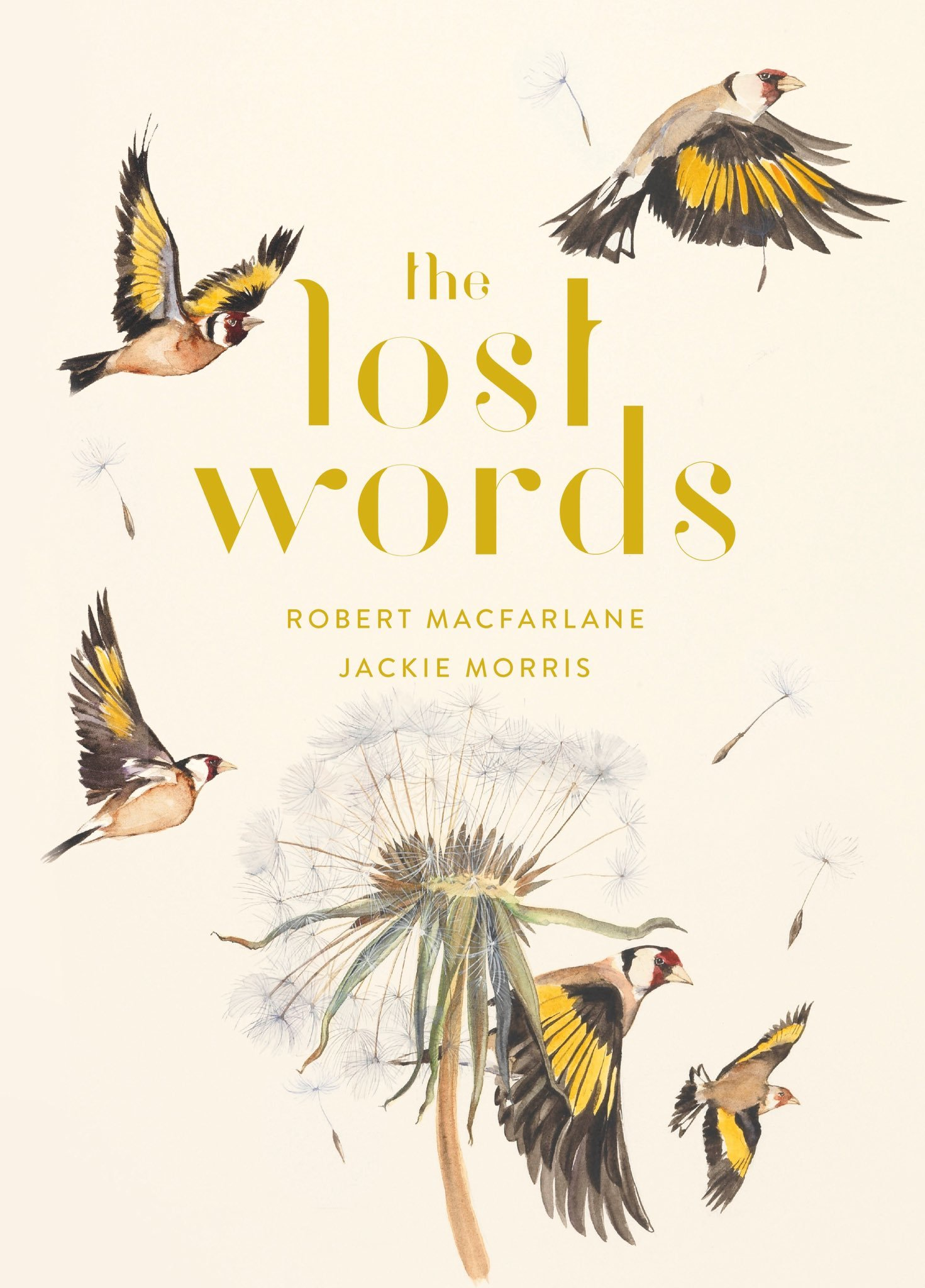
The Lost Words (Goodreads pick by Sister) by Robert Macfarlane (poetry): This is actually a children’s book, but I love Robert Macfarlane’s writing and I am looking forward to “rewilding” my life, if even for a couple hours.
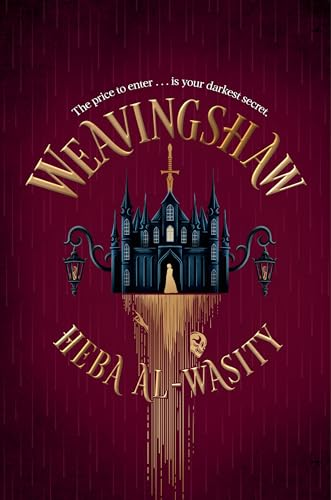
Weavingshaw by Heba Al-Wasity (The Everygirl April Book Club pick-I’m a little late) (fiction):In this debut gothic fantasy, the first book of an enthralling fantasy romance trilogy, a young woman who can see the dead strikes a deal with a magnetic and dangerous purveyor of dark secrets to save her brother’s life. [I’m not so sure about the “fantasy romance,” but I’m down for gothic fantasy.]
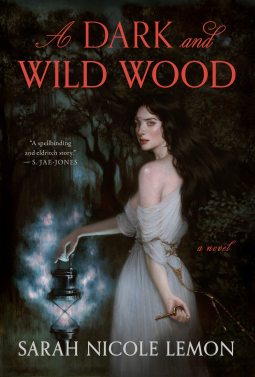
A Dark and Wild Wood by Sarah Nicole Lemon (fiction) Publication May 26, 2026: Inspired by the tale of Bluebeard, A Dark and Wild Wood is the lush and atmospheric story of a maiden with dark magic who becomes the apprentice to Lord Death—for a price.
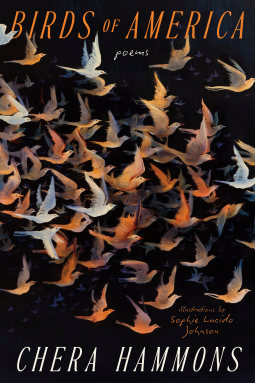
Birds of America by Chera Hammons (poetry) Publication July 9, 2026: In Birds of America, award-winning poet Chera Hammons reckons with the intersection of personal violence and the violence humans have wrought upon our planet and explores the beauty that remains among the ruins.
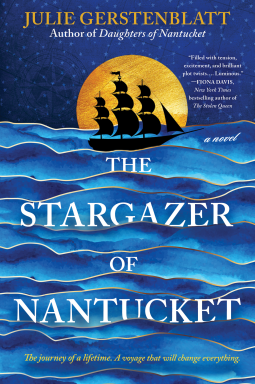
The Stargazer of Nantucket by Julie Gerstenblatt (fiction) Publication June 9, 2026: From award-winning author Julie Gerstenblatt, an epic tale of adventure on the high seas, a spunky stowaway, and a family confronting the past to secure their future.
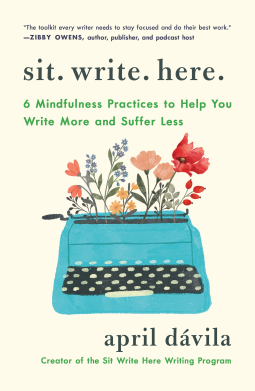
Sit Write Here by April Davila (nonfiction) Publication July 7, 2026: In Sit Write Here, award-winning novelist and certified mindfulness instructor April Dávila presents a groundbreaking approach to writing that integrates the practice of Insight Meditation
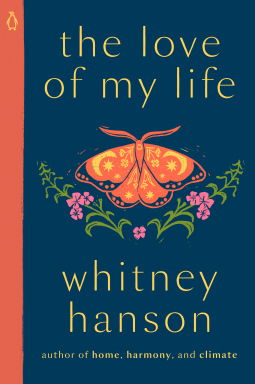
The Love of My Life by Whitney Hanson (poetry) Publication July 7, 2026: the love of my life is a poetry collection that traces the process of rediscovering a love of life after change, disconnection, and personal upheaval. Using the metaphor of fires, the book is structured in three sections—Burning, Ashes, and Reclamation—to reflect the cycles of destruction, numbness, and renewal that accompany deep inner work.
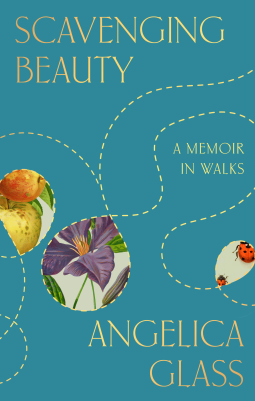
Scavenging Beauty by Angelica Glass (nonfiction) Publication July 7, 2026: Angelica Glass spent decades as a social worker helping families struggling with poverty, addiction, abuse and neglect. Needing relief from work-related stress, she turned to walking as an outlet. What began as a way to incorporate more exercise into her busy life transformed into something extraordinary: a years-long odyssey in which Glass drew upon physical exercise, a close observation of the natural world, and long periods of introspection to reconcile with her own past.
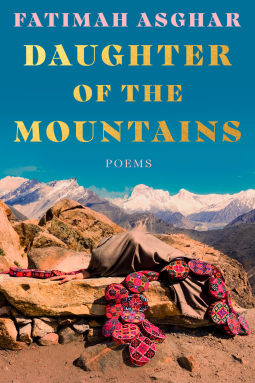
Daughter of the Mountains by Fatimah Asghar (poetry) Publication July 7, 2026: Exiled from ancestral homelands, how can one find a place for themself in the world? In this stunning sophomore collection, the acclaimed poet Fatimah Asghar unweaves residual grief to reckon with their relationship to Allah, long-estranged but deeply loved kin, the landscape of their ancestors, and love itself.
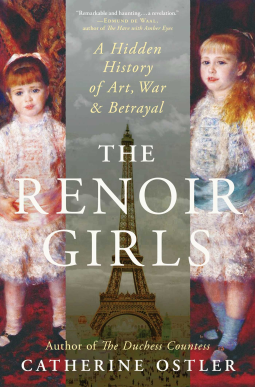
The Renoir Girls by Catherine Ostler (nonfiction) Publication July 14, 2026: Paris, 1881. The artist Pierre-Auguste Renoir knocks on the door of a wealthy Jewish family’s home in the 8th arrondissement, the grandest quarter of Paris. He has arrived to paint the portrait of the family’s two youngest daughters. The parents, the Cahen d’Anvers, are bankers, collectors, philanthropists, and pillars of Parisian society. They go to balls, breed racehorses, and ride in the Bois de Boulogne with their aristocratic friends. But for the Jewish community, the undercurrents of Parisian sentiment are already moving in a sinister direction. The story of the Renoir girls will end in the duplicity and the horror of the Second World War.
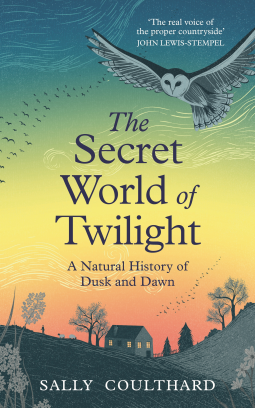
The Secret World of Twilight by Sally Coulthard (nonfiction) Publication July 28, 2026: In The Secret World of Twilight, author and smallholder Sally Coulthard invites us into this magical in-between realm, where seductive night-blooming flowers open, secretive mammals stir, giant moths reign and fantastical sea creatures ride the tide. Twilight profoundly affects human life too – but in our age of electric light and closed doors, we’ve almost forgotten how to see it.
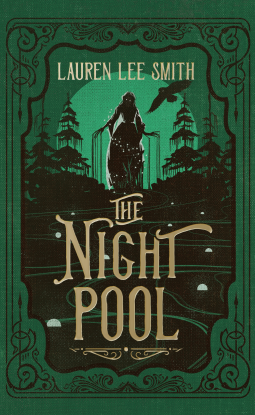
The Night Pool by Lauren Lee Smith (fiction) Publication August 25, 2026: The American West is no safe haven for women—least of all in the Gold Rush town of Coloma, California. Not for Clara Tice, the blacksmith’s strange and stubborn daughter. Not for Mei, the healer whose calm presence in the makeshift camp for Chinese immigrants contrasts sharply with her brother’s hard-eyed pursuit of riches. And certainly not for Haloke, a Nisenan shaman’s granddaughter whose native village has been devastated by smallpox, hunger, and the relentless greed of Outsiders. A gripping tale of sisterhood, vengeance, and survival, The Night Pool explores the horrors of greed and lust, and the hidden strength of the most vulnerable among us.
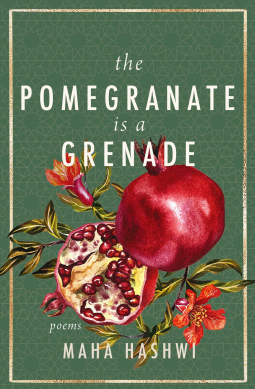
The Pomegranate is a Grenade by Maha Hashwi (poetry) Publication September 1, 2026: The Pomegranate is a Grenade is a debut poetry collection that examines what it means to grow up Arab and Muslim in the United States, where home is both inherited and continually reshaped. Maha Hashwi draws from the textures of an immigrant household—food shared across generations, religious traditions carried forward, the weight of displacement, and the small, steady acts of love that hold a family together.
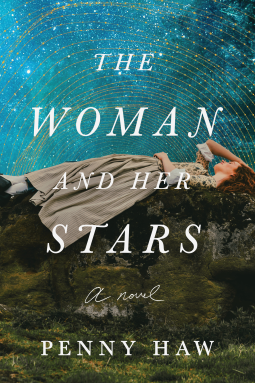
The Woman and Her Stars by Penny Haw (fiction): 1772. Caroline Herschel is beholden to her wildly popular musician brother, William, who rescued her from servitude and brought her to live a comfortable life in Bath. When William becomes obsessed with the science of astronomy, Caroline follows suit, and soon, the duo are moving to Windsor to be close to court, so they can advise the king about the stars and become members of the Royal Astronomical Society. Overshadowed by her brother, Caroline quietly studies the stars, attributing her success to the men in her life. But when it becomes clear that Caroline is just as much the astronomer as the men in society, she will have to break free from the life she’s lived, and find her own place amongst the stars. The Woman and Her Stars shines a light on a woman who was raised to believe she was worth nothing more than to serve others, but whose genius and resolve made her one of the world’s leading astronomers. An inspiring story set within the societal boundaries of the Regency era, it is a journey of self-belief, friendship, and triumph.
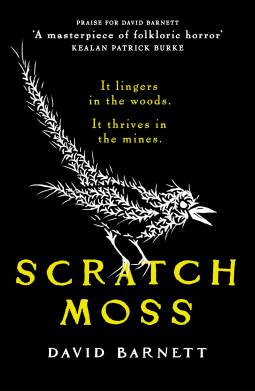
Scratch Moss by David Barnett (fiction): 1865. Coal lies beneath Scratch Moss Hall and Lord Henry Brody is determined to get to it. But something else lurks below, something dark and evil. 1905. Reverend George Ackman has never known such godless people as those of Scratch Moss. But if not God, what do they believe in? 1945. Arthur works for the Coal Commission, visiting privately-owned pits ahead of their nationalisation. On his visit to Scratch Moss, he finds only misery and death. 1985. The miners have lost. Thatcher reigns supreme. And in the shattered community of Scratch Moss, rumours resurface about Red Clogs, a terrible presence in the land below. 2025. Divorced, fifty-something writer Joe returns to his hometown of Scratch Moss for the funeral of his father. Soon the memories of Joe’s teenage years, and the horror that blighted the community, come flooding back. A devastating, five-timeline tale centered on a community first invigorated, then devastated by the coal mining industry in the most original folk horror novel of the year.
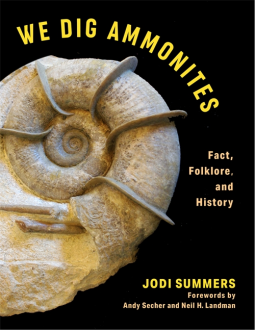
We Dig Ammonites by Jodi Summers (nonfiction): Ammonites swam in Earth’s ancient seas for nearly 400 million years. These prolific cephalopods diversified into more than 10,000 species before meeting their demise during the end-Cretaceous mass extinction. Today, these spiral-shelled invertebrates are among the most abundant fossils in the geologic record, found from snowcapped Himalayan peaks to parched South American arroyos. People around the world have long been drawn to the mystery and beauty of ammonite fossils. These preternaturally preserved creatures have inspired age-old myths and legends, and studying their secrets has spurred crucial scientific discoveries.
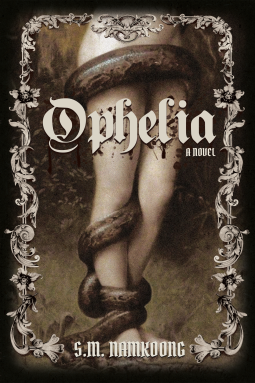
Ophelia by S.M. Namkoong (fiction): After a brief stint in Italy working under a master painter, Lawrence Stoner returns to America craving inspiration. Drawn to the wild coast of Maine, she takes up residence in a seaside hut, hoping to secure a commission from one of the wealthy summer elites. Shortly after putting out an ad, Lawrence receives an invitation to dine at Ashmore Hall. Despite the whispered warnings and ghost stories, Lawrence accepts and is immediately captivated by its enigmatic and beautiful mistress, Ophelia Aldane. The number of dead continues to rise, but Lawrence finds herself hopelessly ensnared in Ophelia’s web of allure. As those closest to her begin to fall prey, Lawrence feels Death drawing nearer with every passing day. Lawrence must confront the darkness or risk being consumed as well. Set amid the glittering excess of the Roaring Twenties, Ophelia is a gothic tale of desire, deadly beauty, and the price we pay for obsession.
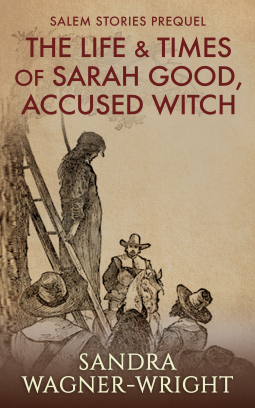
The Life and Times of Sarah Good, Accused Witch by Sandra Wagner-Wright (fiction): In 1672, Sarah Solart Poole Good and Ann Carr Putnam begin life on seemingly equal footing—both daughters of well-off families in colonial Massachusetts. But as the years pass, their fortunes diverge. Sarah’s life spirals into poverty, homelessness, and mental distress. Ann marries into wealth and stability, becoming the wife of Thomas Putnam, the Younger, heir to one of Salem Village’s most powerful families. Yet even privilege cannot shield the Putnams from misfortune. Thomas is disinherited in favor of his younger brother, and Ann’s expected inheritance proves meager. By 1692, their lives are simmering with disappointment and resentment. Then the witchcraft hysteria begins. In February, their daughter—Ann Putnam, the Younger—is struck by strange fits. She claims Sarah Good is tormenting her with witchcraft. Her father, Thomas, publicly accuses Sarah of witchcraft. In June, Sarah Good is convicted. By July, she is hanged. This is the harrowing true story of three lives intertwined by social ambition, economic frustration, and the tragic frenzy that overtook Salem Village during one of the darkest chapters in American history.
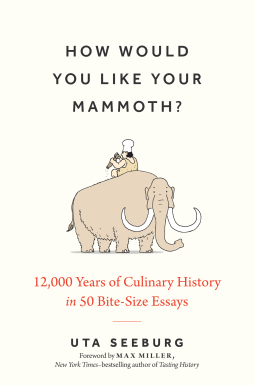
How Would You Like Your Mammoth by Uta Seeburg (nonfiction): How Would You Like Your Mammoth? is a chronological journey through the culinary history of humankind, with fifty short, snackable essays packed to the brim with juicy tidbits and cultural insights. With author Uta Seeburg as your guide, you’ll learn not only which dishes are linked to key cultural moments, but also how each represents the social hierarchy and values of the civilization that invented it.
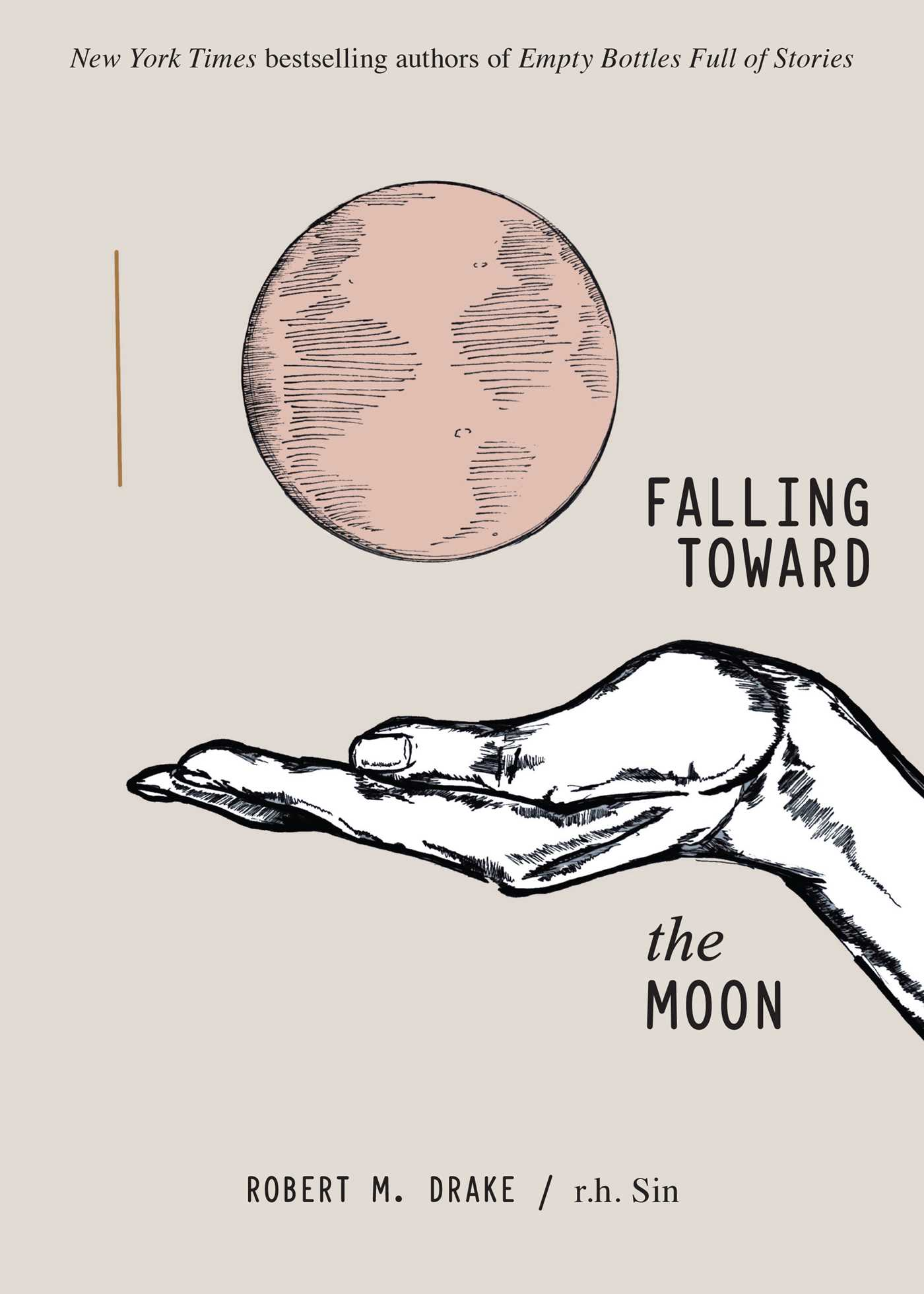
Falling Toward the Moon by r. h. sin (Goodreads pick by Youngest Son) (poetry): The heart will ache, the soul will feel weary, and the mind will be weighed down by the things you wish to forget. There will be nights when all you have is yourself and the moon. There will be nights when silence will exist in abundance. And even though you may feel lonely at first. You must understand that the solitude is a gift; you must understand that even when alone, you are more than enough.
House of Windows by Adina Hoffman (Goodreads pick by Husband) (nonfiction): A brilliant and moving evocation of the rhythms of life (and the darker shadows below it) in a working-class quarter of the world’s most fascinating and divided city. In the tradition of the literature of place perfected by such expatriate writers as M. F. K. Fisher and Isak Dinesen, Adina Hoffman’s House of Windows compellingly evokes Jerusalem through the prism of the neighborhood where she has lived for eight years since moving from the United States.
The Talking Bone (Goodreads Giveaway win!) by Renee Denfeld (fiction): Ruby Spencer is known as “the exonerator.” Her job as an investigator is to free innocent men from death row, and she’s good at what she does. What many people don’t know is that she spends her time finding missing women, too. The orphaned daughter of an orphaned mother, Ruby feels a natural affinity for those who have been mistreated by the world at large. Her newest case takes her to Georgia, and involves a man set to be executed in two weeks. What begins as a routine exoneration unexpectedly sends Ruby down a winding path. Pursuing the truth, she begins to uncover crimes that lead to startling revelations about her own life.
Ribcage of Time by Jacqueline Derner Tchakalian (poetry): The poems in Jacqueline Tchakalian’s second poetry collection, Ribcage of Time, refer to Armenian genocide, public murder, rape, home abortions, including one outside the home with tragic repercussions for the writer. These poems have an ever-present wish for improvement, a more sane and equitable society for all. They reference family, the joy of having and being around children, the predicted loss of an ill husband, a plan for a different type of god. They are reflective poems that question the future, make strong assertions, and overall are imbued with hope for the future.
Jane Austen’s Bookshelf by Rebecca Romney (nonfiction): The women that populated Jane Austen’s bookshelf profoundly influenced her work; Austen looked up to them, passionately discussed their books with her friends, and used an appreciation of their books as a litmus test for whether someone had good taste. So where had these women gone? And why were they no longer embraced as part of the wider literary canon? Jane Austen’s Bookshelf investigates the disappearance of Austen’s heroes—women writers who were erased from the Western canon—to reveal who they were, what they meant to Austen, and how they were forgotten. Each chapter profiles a different writer including Frances Burney, Ann Radcliffe, Charlotte Lennox, Charlotte Smith, Hannah More, Elizabeth Inchbald, Hester Lynch Thrale Piozzi, and Maria Edgeworth. Romney collects the once-famed works of these forgotten writers, physically recreating Austen’s bookshelf and making a convincing case for why these books should be placed back on the to-be-read pile of all book lovers today.
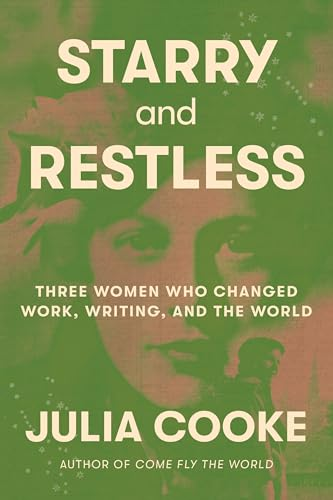
Starry & Restless by Julia Cooke (nonfiction): The page-turning story of three women reporters and the way they changed the world, work, and journalism. She hid on a Red Cross boat to reach Omaha Beach on D-Day. She walked the abandoned streets of Hong Kong to take food to her daughter’s father, a prisoner of war. She fought off the advances of overzealous Yugoslavian diplomats, found overlooked details of world history in a dentist’s kitchen in Sarajevo. She was Martha Gellhorn. She was Emily “Mickey” Hahn. She was Rebecca West. Each woman was starry-eyed for success, for adventure, and helped ensure that other starry and restless women could make unforgettable lives for themselves. They fought for their lives and their work. They were praised and criticized for it all.
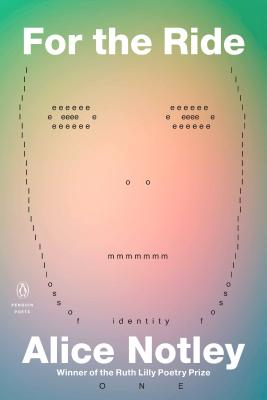
For the Ride by Alice Notley (poetry): Alice Notley has become one of the most highly regarded figures in American poetry, a master of the visionary mode acclaimed for genre-bending, book-length poems of great ambition and adventurousness. Her newest book, For the Ride, is another such work. The protagonist, “One,” is suddenly within The Glyph, whose walls projects scenes One can enter, and One does so. Other beings begin to materialize, and it seems like they (and One) are all survivors of a global disaster. They board a ship to flee to another dimension; they decide what they must save on this Ark are words, and they gather together as many as are deemed fit to save. They “sail” and meanwhile begin to change the language they are speaking, before disembarking at an abandoned future city.
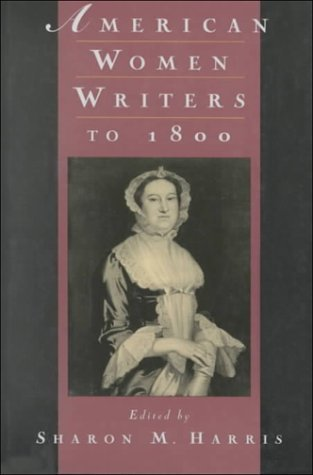
American Women Writers to 1800 edited by Sharon M. Harris (nonfiction): American Women Writers to 1800 advances our knowledge of early American culture. Including works by more than ninety women, many of whom have never before been published, this ambitious anthology captures the cultural and individual diversity of women’s experiences in early America. An impressive variety of genres is represented, with extensive selections of memoirs, letters, diaries, poetry, captivity narratives, Native American narratives, essays, sermons, autobiographies, novels, dramas, and scientific and political tracts. Brief biographical introductions to each author, explanatory footnotes, and a comprehensive index and bibliography impress modern scholarship upon this valuable literary collection and offer fertile ground for a radical rethinking of early American women’s lives and writings, while challenging our assumptions regarding early America itself.
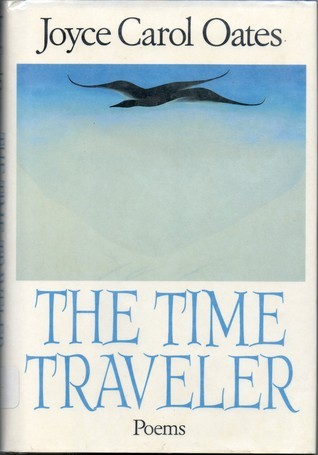
The Time Traveler by Joyce Carol Oates (poetry): Poems deal with travel, nature, mortality, language, social life, art, religion, aging, and the past
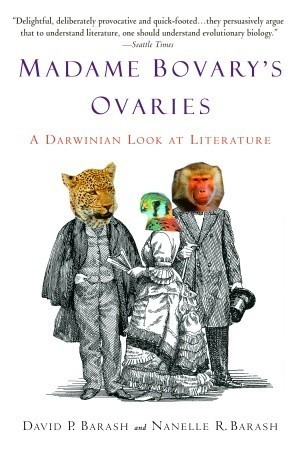
Madam Bovary’s Ovaries by David P. Barash and Nanelle R. Barash (nonfiction): The ways we fall in—and out—of love, stand by our friends, compete against our enemies, and squabble with our families have their roots in biological imperatives we share not only with other primates but with an amazing array of other creatures. The result is a new way to read, a novel approach to novels (and plays) that reveals how human nature underlies literature, from the great to the not-so-great. Using the cutting-edge ideas of contemporary Darwinism, the authors show how the heroes and heroines of our favorite stories have been molded as much by evolution as by the genius of their creators, revealing a gallery of characters from Agamemnon to Alexander Portnoy, who have more in common with birds, fish, and other mammals than we could ever have imagined.
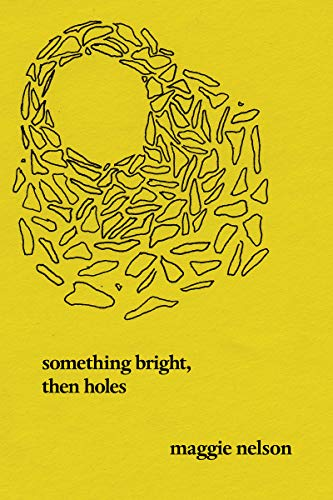
Something Bright, Then Holes by Maggie Nelson (poetry): Something Bright, Then Holes explores the problem of losing then recovering sight and insight — of feeling lost, then found, then lost again. The book’s three sections range widely, and include a long sequence of Niedecker-esque meditations written at the shore of a polluted urban canal, a harrowing long poem written at a friend’s hospital bedside, and a series of unsparing, crystalline lyrics honoring the conjoined forces of love and sorrow. Whatever the style, the poems are linked by Nelson’s singular poetic voice, as sly and exacting as it is raw. The collection is a testament to Nelson’s steadfast commitment to chart the facts of feeling, whatever they are, and at whatever the cost.
(I am also reading The Iliad translated by Emily Wilson, but that’s not being counted in this list as my sister and I are reading it for our Sister Read, and we are not planning to finish it before summer is over.)
And there you have it! Chime in and let me know what you’re reading this summer–my Goodreads list is only 174 pages, there’s plenty of room for recommendations!


Leave a comment