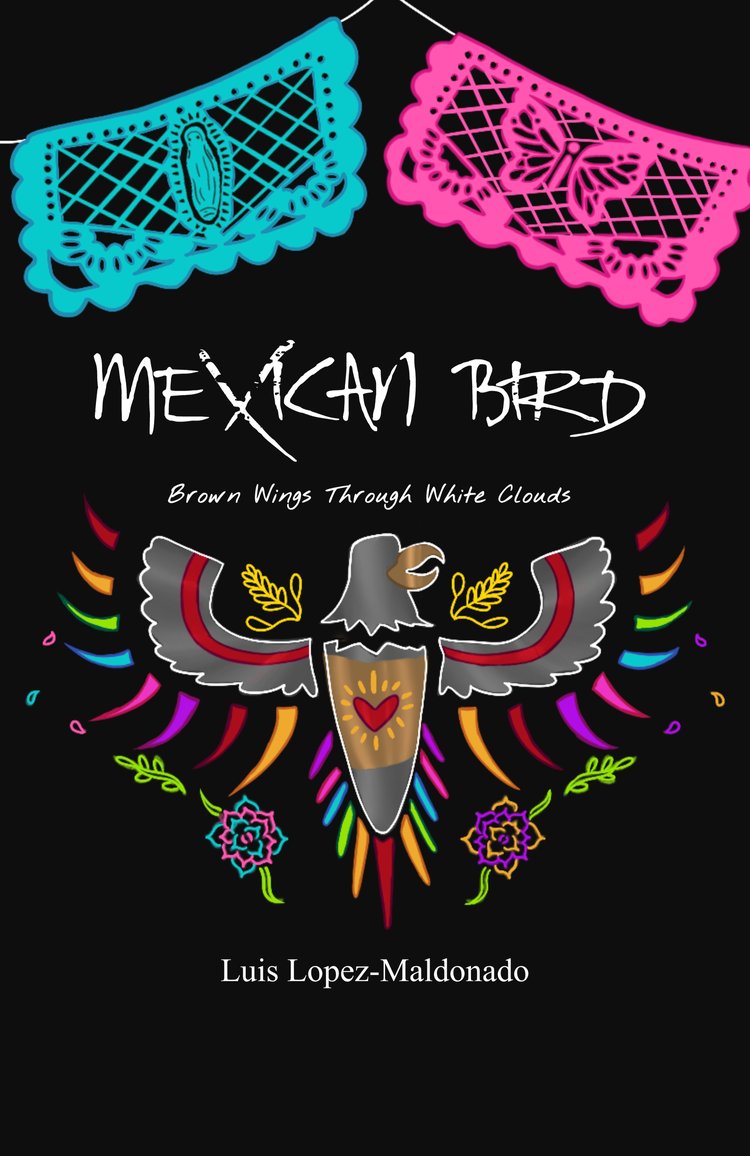
Mexican Bird by Luis Lopez-Maldonado tells a heart-rending, painfully beautiful story. It is a reality I as a white heterosexual woman will never experience; Lopez-Maldonado’s pain, hope, desire, sorrow, and need come through every line, illustrating the life of a beautiful soul, often marginalized and misunderstood, but wholly worthy of reverence.
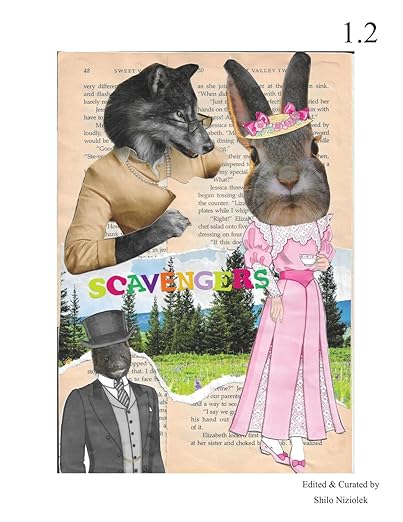
Editor Shilo Niziolek has curated a collection of poetry, prose, and artwork that is a choir of voices. Each piece is as carefully selected as a soloist in an opera, showing readers a look into each contributor’s imagination. Readers walk through realms of experience and vision. Each piece made me think of wandering a house of many doors, stepping into a new world of thought with the turn of a knob. This is Scavengers 1.2; I am looking forward to 1.3.
This book explodes into your psyche. Wytovich takes her readers by storm, pulling them into a maelstrom of emotion and language and sensation. “My name is werewolf, death-cup, noise,” she screams charging through hordes of grinning demons. Ghost girls watch from garden shadows as you daintily sip poisoned tea; we dine with witches on thornapple, mushrooms, wild strawberries, and boiled spiders. “Three times I came to tea,” the mystical triad, three wishes, click your heels three times, and you too can read the omens. Wytovich illustrates with words, creating fantastical paintings: “She stood inside the four corners / securely in sunlight–smiling / a fairy princess against / my unwelcoming face / precious, with a quiet respect.” Wytovich’s writing brings to mind the work of Charlotte Perkins Gilman and Mary Oliver, but her voice is uniquely, angrily, her own. She questions suffering and disturbance and gives us an illusion of genteel femininity shielding ferocious womanhood. Yet there is beauty glowing behind her ferocity: “Awakened, a trailing mist / hugs my morning tea / an early love, shining.” in “On the Subject of Blackberries” Stephanie Wytovich has created a universe of thought. You cannot read her writing and be unaffected. It forces you to consider what is real and what we are told is false, though only the reader knows for sure.
Poet Katheryn Louise gifted me a special prelaunch copy of her beautiful collection Yet Still, She Shines. The anticipated release date is January 24, 2024, and I urge you to secure yourself a copy of this beautiful collection. Kathryn Louise’s Yet Still, She Shines is a masterpiece of imagery and emotion. She opens with a brilliant burst of summer, showering readers with color and heat. Dragonflies carry messages of hope to those willing to listen, love’s heat sears the heart as a midnight breeze caresses the cheeks, lovers find wholeness in each other’s strength. She contemplates forever, “Let’s read this next chapter slowly,” she suggests, so as not to waste a single honey-drenched moment. She reminds us that “without sorrow, nothing tastes sweet.” She leads her readers into the liminal spaces, “The space between what was / and what will be: / a beautiful place of calm, / of leaning in and listening, / of imagination and planning, / of surrendering/ and allowing.” Kathryn Louise brings light into “the darkest of places, the tiniest of spaces;” helping us to see that true love exists, and comes when we least expect it.
Kathryn Louise invites readers to recall the unfettered joy of childhood nonsense; she asks them to feel the rhythm of the waves, and reminds us all to cherish each fleeting moment of our lives, the winter sunsets, coffee drunk on the porch overlooking spring blossoms, to stay present and live now. Her words illustrate life, togetherness, the highs and hurts of love, and the pain of loss. You look into shadows and see the light on the other side, and you are awakened. She crafts such exquisite lines: “Just walk by my side / as we tackle / each little pain / from the past, / for we are but / mirrors for each other–“ Yet Still, She Shines is a truly beautiful collection of poetry, elegant in its simplicity and expression. I feel certain that this volume will be a meaningful addition to people’s poetry shelves.
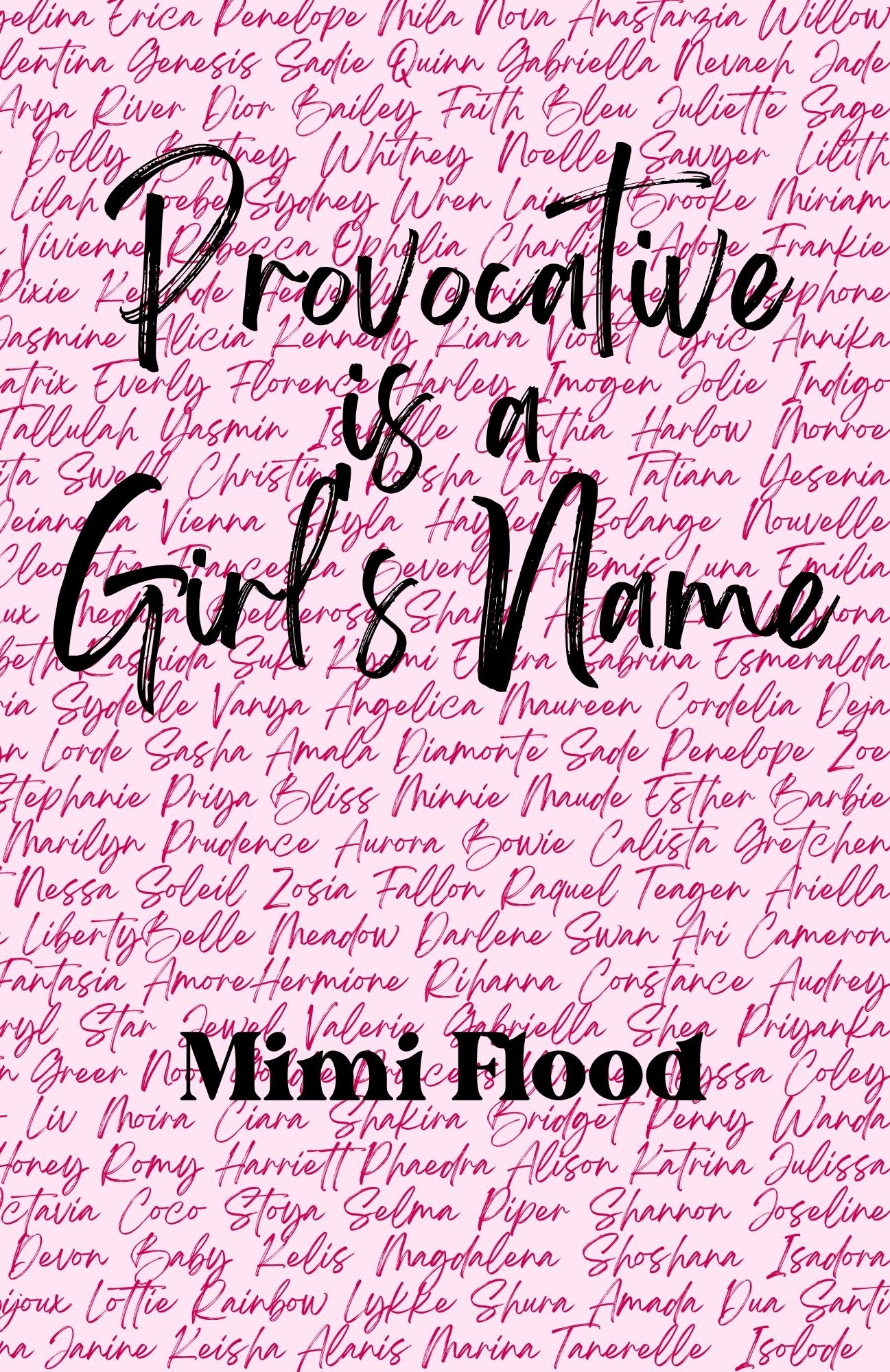
Mimi Flood’s amazing, powerful book Provocative is a Girl’s Name is a commanding, painful book. Flood’s words are raw, shocking, and truthful. There is anger, there is rage, and hatred, and there is love as well: love for who she is, love for her fellow women. As a sexual violence survivor, this was a hard book to read, and I advise readers to be aware. Flood doesn’t sugarcoat reality. She says what needs to be said proudly, in a voice that rings from the pages like a queen challenging the wrongs of the world. (ARC provided by Querencia Press)
Jessica Drake-Thomas’ Bad Omens is on my list of best books for the year. This poetry collection is steeped in mystery and folklore, with a dash of mythology and a hint of history. In other words, Drake-Thomas has managed to fit all of my favorite themes into her book. This is a very late posting on my blog as I read and reviewed this back in February. Since then I have read it twice more, and I love it even more than before.
She opens this collection with an audience with a soothsayer: “Speak to me/as if I’m covered in blood…or don’t speak/ at all. /Bring me a gift–/ mouthful of sour cherries, /black toad, /smooth rune-stones. / In return, / the knowledge / you’ve been denied…” She will guide you, give you knowledge, and with that knowledge the power you desire, you deserve. We walk with a dark goddess lamenting the light she has lost and praise Eve’s daring and the gifts she gave her daughters.
Readers walk the path generations of witches have traversed communing with nature and night; we are women, we are phoenixes, we are sirens and the weak-minded our prey. We practice alchemy in a bath perfumed by belladonna, serenaded by seabirds; later we will run with wolves. Drake-Thomas weaves mythology with Tarot on a journey to free herself from the oppression of one considered good because he was God-fearing; when a woman is called a witch, consider, who was the wicked one?
My favorite poem in her collection, The Empress Reversed, alludes to two things I love: the television show Penny Dreadful, and The Yellow Wallpaper by Charlotte Perkins Gilman (I will share the full poem at the end of this post, it’s so evocative). And this exquisite line from Ophiophagy: “I may be asleep when/ disaster arrives, but/ I’ll dream of dandelion pie & stars” (I have been working on a collection of golden shovel poems inspired by women writers, and I have included this line. There is magic in these words.)
In La Fee Verte a Tarot reader gives the narrator the Tower, a powerful card, one to be wary of, and she falls into a Wonderland of absinthe and arsenic, dancing faeries glowing with radium. In her book, Death comes on his pale horse and the Goddess waits at the crossroads–which will you choose?
I am absolutely in love with this book (in case you couldn’t tell). I am eagerly awaiting what magick Jessica Drake-Thomas conjures in her next book. This was an ARC given by Querencia Press and I am so grateful that they sent it. As promised, below, The Empress Reversed, by Jessica Drake-Thomas, from Bad Omens.
The Empress Reversed
There’s a brisk trade for photographs of dead women*,
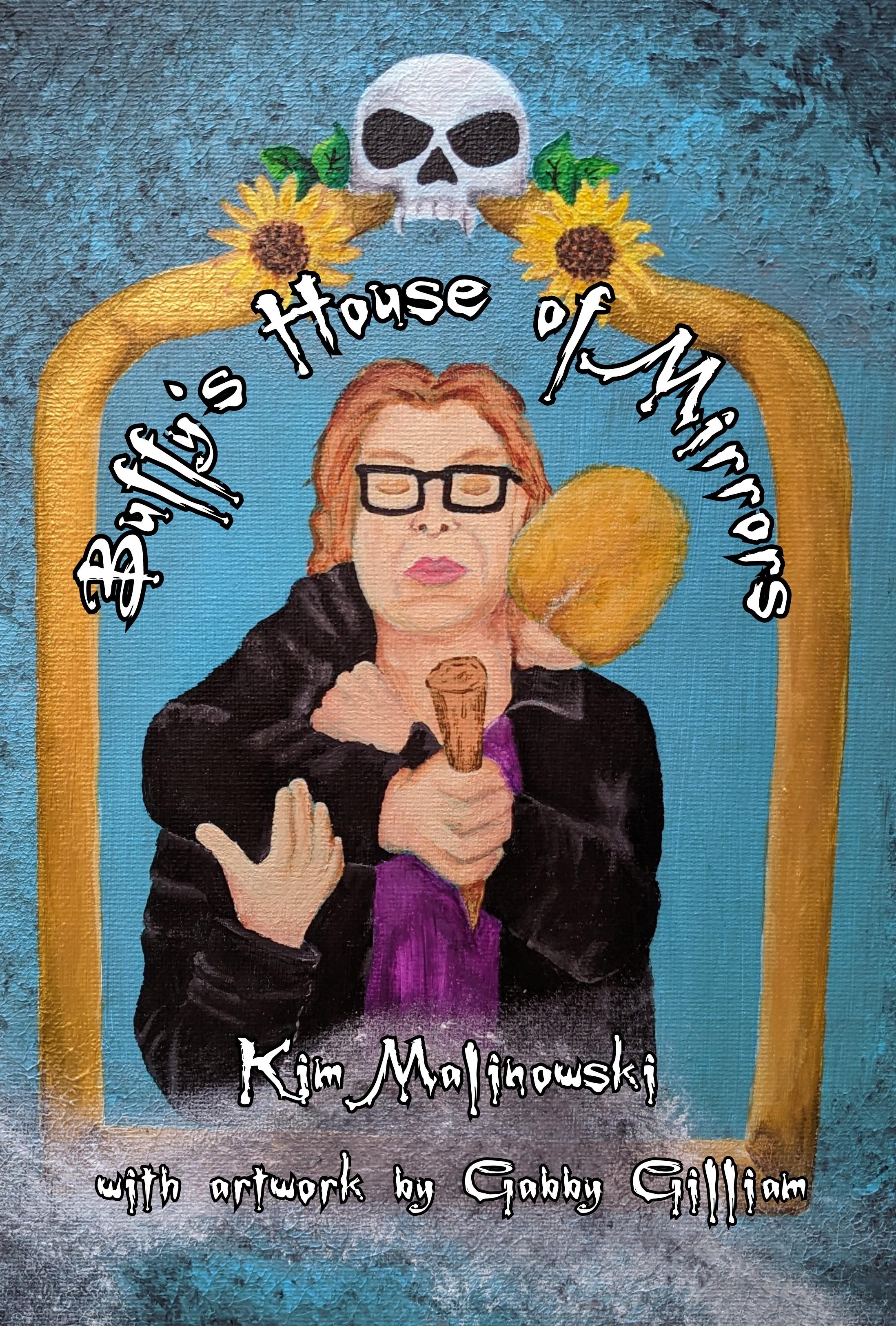
Buffy’s Houseof Mirrors by Kim Malinowski was a walk through unfamiliar territory for me. I did not watch Buffy the Vampire Slayer so I was not familiar with the character references, which I think helped me to approach these poems objectively. Malinowski imposes real-life emotion and need onto the fantasy world of demon-slaying, attaching make-believe to real-life struggle. The demons she fights are body-image, emotional pain and mental distress. She has taken a popular trope and made it into something personal and far more powerful than fantasy. I never had any interest in the television series, but I am very impressed with how Malinowski applies it to a subject that is much too hidden away and needs to be made more visible.
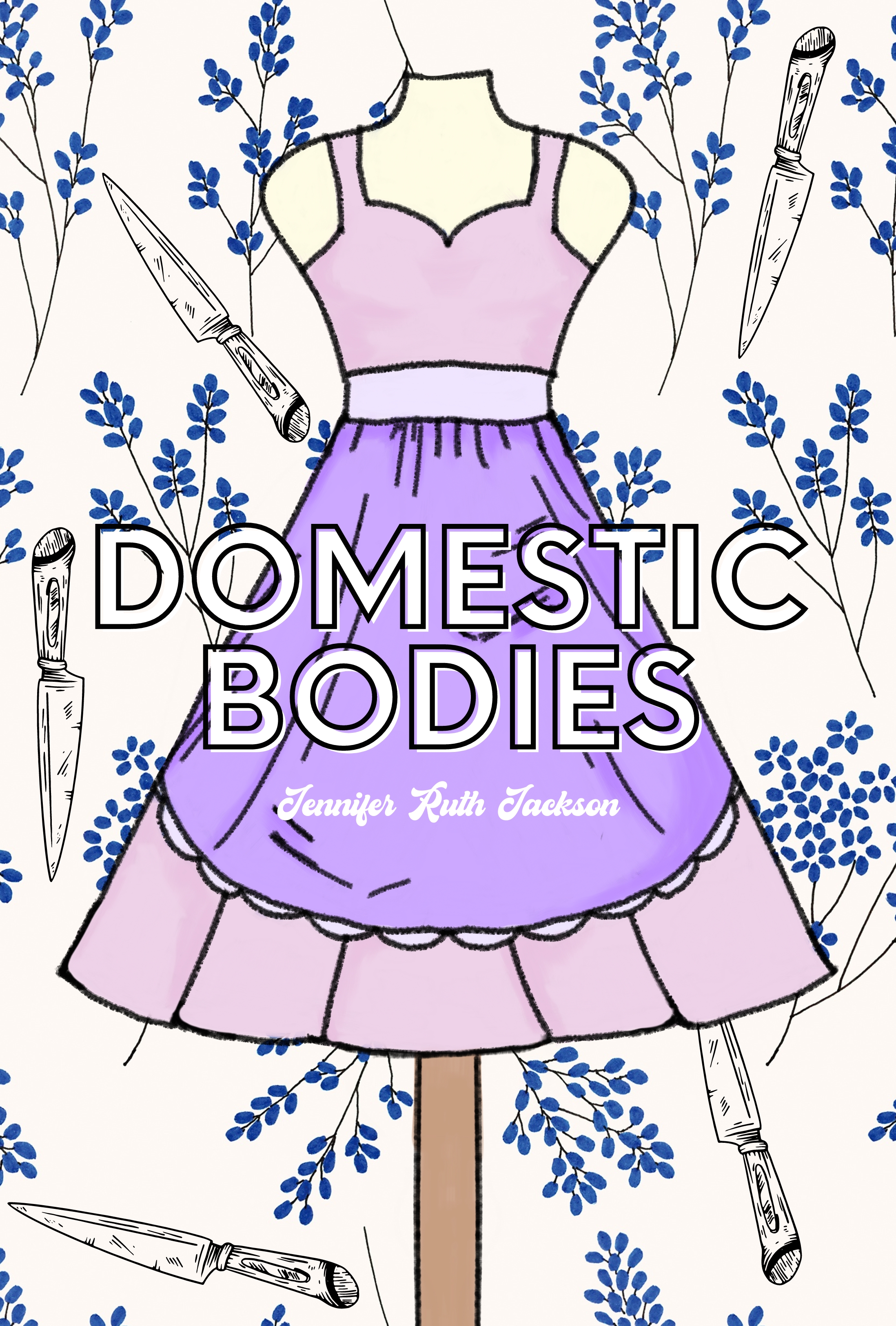
Domestic Bodies by Jennifer Ruth Jackson. This is the poetry I want to write. Poetry that hits you in the center of your chest, the words seeping into your bloodstream and becoming part of you. Jackson’s language speaks to you as if in tongues, you read the words, hear them, feel them in your soul. In her writing Jackson allows herself to be vulnerable, allowing readers to see her fears, her hurts, and her scars. She creates images with incredible lyricism; we are taken to childhood afternoons skipping stones and lunches in Mother’s kitchen, living in the moment, unaware of anything other than the haven of home. Some of her pieces have the essence of classic faerie tales, recipes of power and ritual handed down through generations of matriarchs. She faces illness with such courage–waiting for the worst while holding on to a dream of hope. Jennifer Ruth Jackson writes about life. She writes hope, pain, sorrow, anger, and quiet happinesses. Her words speak truths our world needs to hear. (ARC provided by Querencia Press)
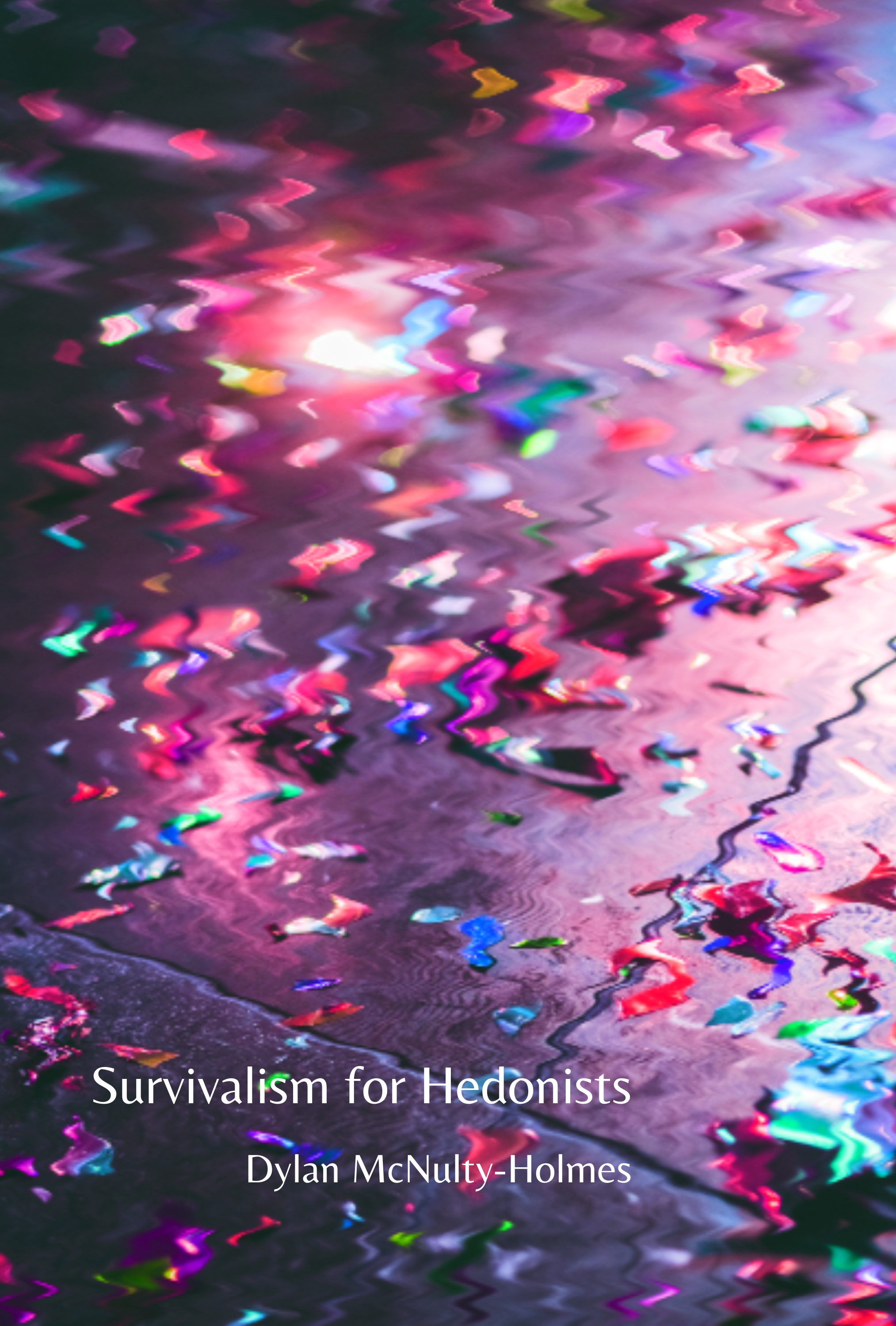
In Survivalism for Hedonists, Dylan McNulty-Holmes has done something brilliant (I wish I had thought to do this). They have used their own words as inspiration, pulling quotes and thoughts from notebooks written over a nine year span. They have turned their innermost thoughts into art and shared that vision with readers. We are invited to consider their experiences, taste McNulty-Holmes’ doubt, wonder at their expression, and question our own identity. “Who are you, what is it you want,” McNulty-Holmes asks us, and wants us to answer honestly. Dylan McNulty-Holmes has invited their readers into the Wonderland of their most private thoughts, and it is a privilege to be there.
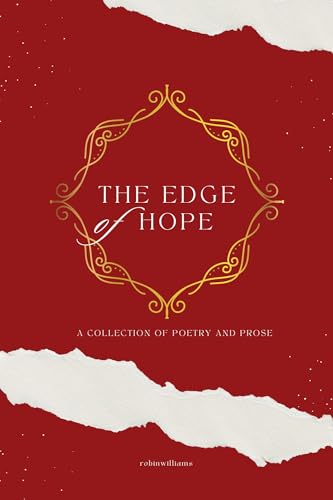
Reading The Edge of Hope by Robin Williams is like looking into a mirror. So many of their experiences parallel my own, reading their words feels like having a conversation with a kindred soul. Williams’ book addresses such topics as mental illness, sexual assault, and homophobia, so I advise readers to approach this volume with caution if these are sensitive topics for them. Williams’ poems take aim at topics we are too often told to stay away from. They are loud, angry, sorrowful; they hurt your heart as you recognize your own heartache and anger in them. Williams tells their readers that they have the right to be angry, they have the right to feel betrayed, and they do not have to apologize for their feelings. Robin Williams refuses to hide their emotions to make others feel comfortable. This is a lesson we should take to heart. (ARC gifted by Querencia Press)
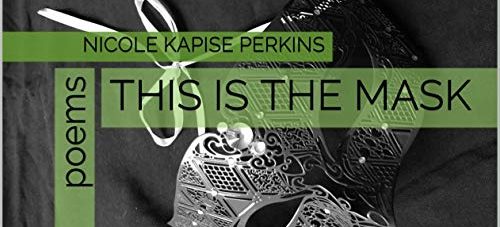



 This is the Mask