Review: Survivalism for Hedonists

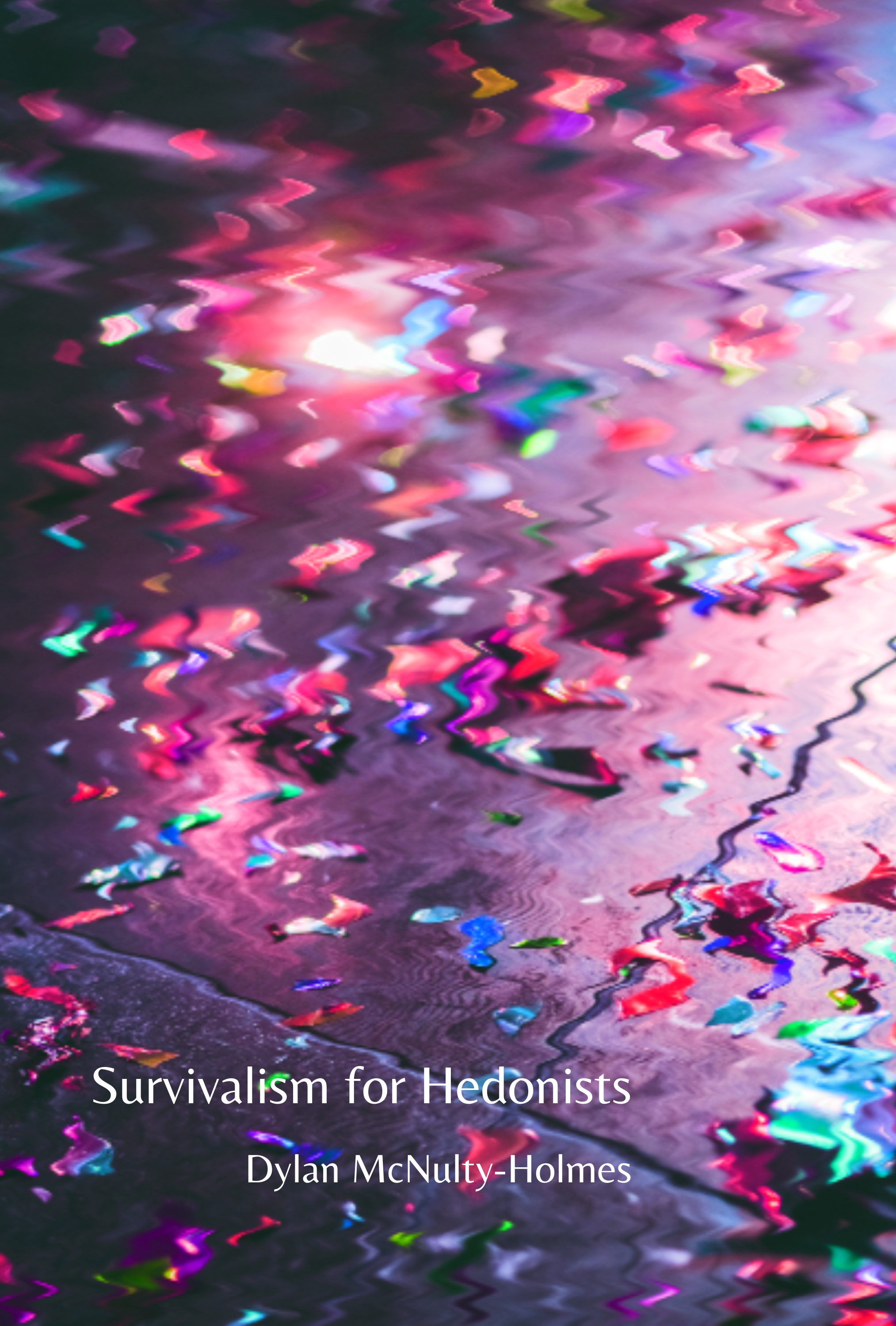
In Survivalism for Hedonists, Dylan McNulty-Holmes has done something brilliant (I wish I had thought to do this). They have used their own words as inspiration, pulling quotes and thoughts from notebooks written over a nine year span. They have turned their innermost thoughts into art and shared that vision with readers.
We are invited to consider their experiences, taste McNulty-Holmes’ doubt, wonder at their expression, and question our own identity. “Who are you, what is it you want,” McNulty-Holmes asks us, and wants us to answer honestly.
Dylan McNulty-Holmes has invited their readers into the Wonderland of their most private thoughts, and it is a privilege to be there.

(ARC provided by Querencia Press)

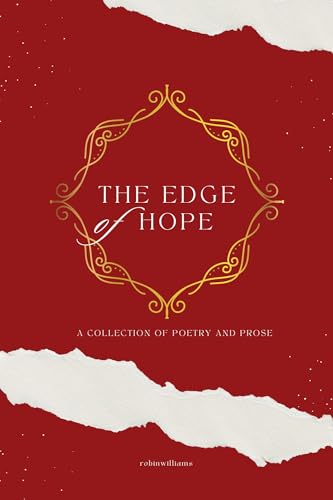
The Edge of Hope by Robin Williams

Reading The Edge of Hope by Robin Williams is like looking into a mirror. So many of their experiences parallel my own, reading their words feels like having a conversation with a kindred soul. Williams’ book addresses such topics as mental illness, sexual assault, and homophobia, so I advise readers to approach this volume with caution if these are sensitive topics for them.
Williams’ poems take aim at topics we are too often told to stay away from. They are loud, angry, sorrowful; they hurt your heart as you recognize your own heartache and anger in them. Williams tells their readers that they have the right to be angry, they have the right to feel betrayed, and they do not have to apologize for their feelings. Robin Williams refuses to hide their emotions to make others feel comfortable. This is a lesson we should take to heart. (ARC gifted by Querencia Press)

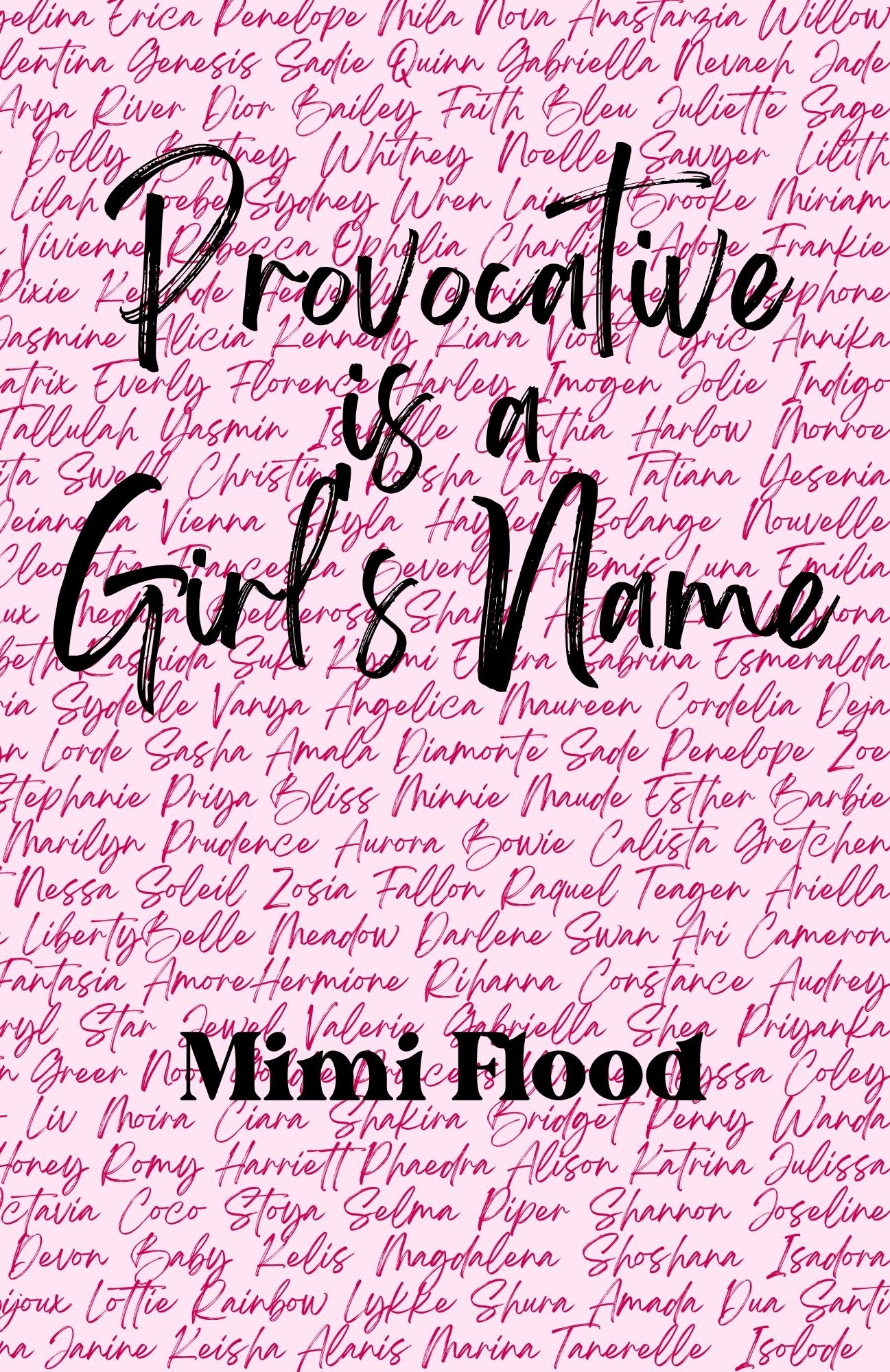
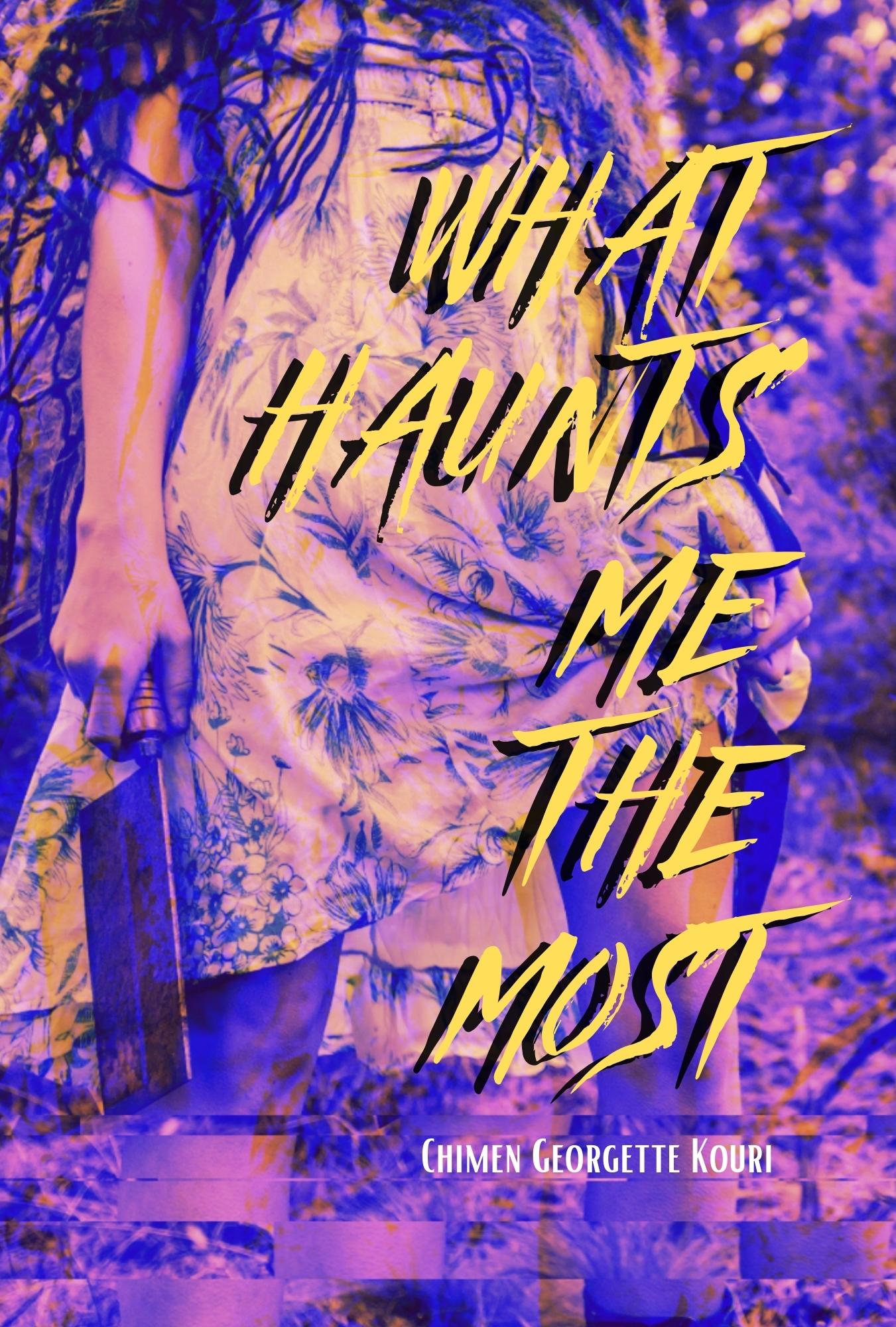
What Haunts Me the Most, review

In What Haunts Me the Most, Chimen Kouri crafts explosive verses. Intention is elusive, to fully understand her meaning you must read again, read between her words, asking yourself what her words mean, what does she want from you? Kouri’s poems force readers to slow down and consider her experiences. Why has she written this? What is the truth hidden in this phrase? To read Chimen Kouri’s poems is to interrogate experience and consider our most basic purpose here, to bring meaning to this world. (ARC generously provided by Querencia Press)
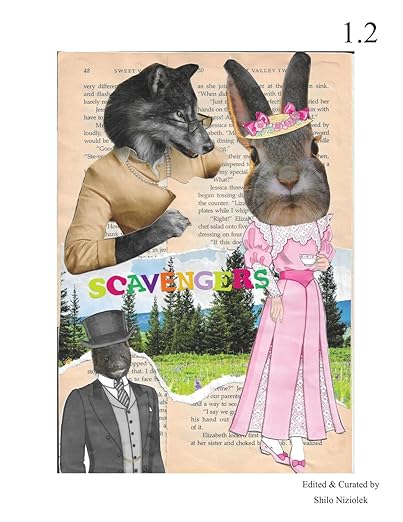
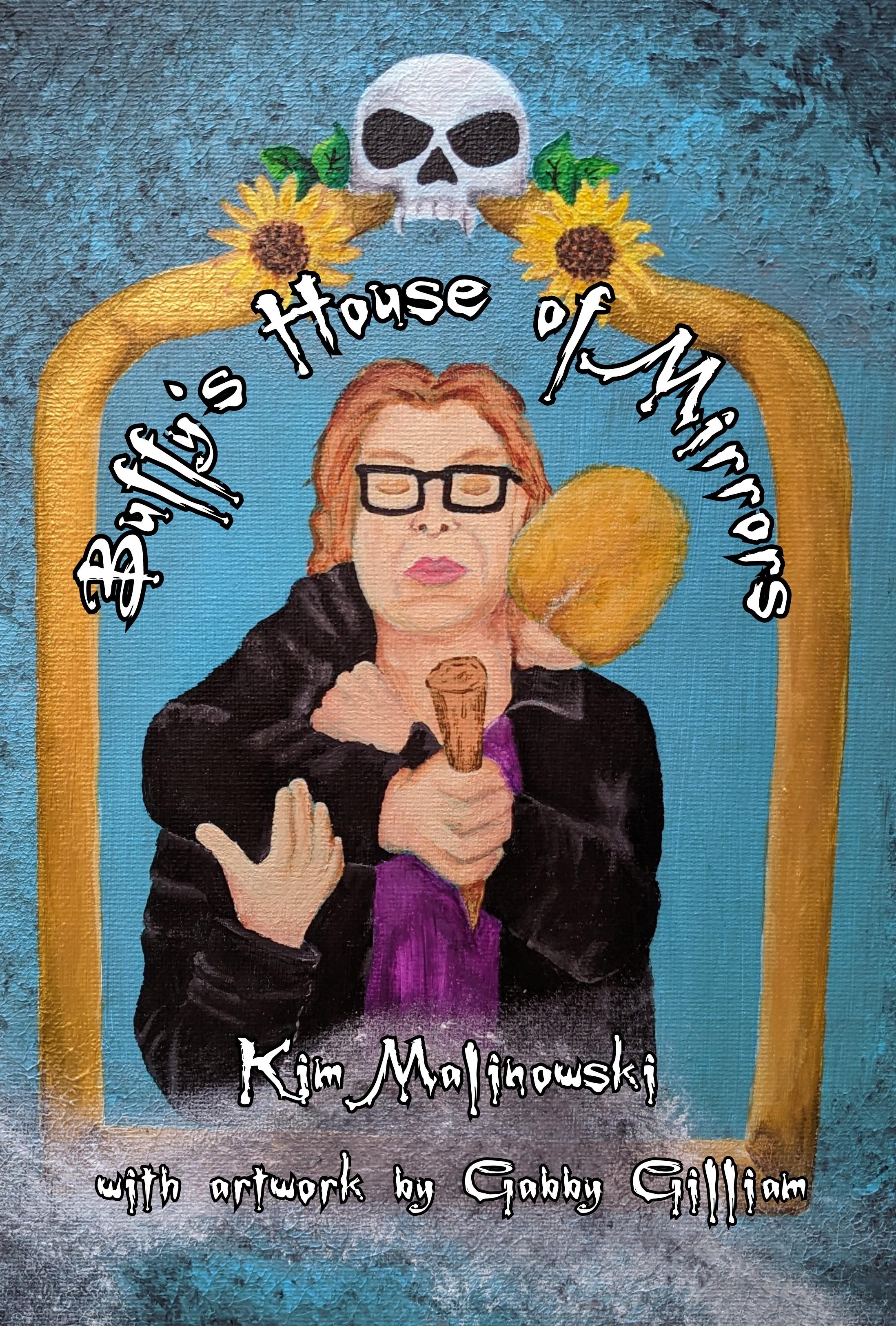
Vermilion by Samantha Erron Gibbon (ARC review)

I feel as though I have been given a precious gift with this ARC of Vermilion by Samantha Erron Gibbon (kindly gifted by Querencia Press). I have an enormous amount of respect for the culture and heritage of the First People of the Americas, and I am well aware that others suffered as my ancestors settled and prospered. Too many people became disconnected from their culture and traditions; so much knowledge and lore was lost. The keepers of this knowledge are to be respected. The oral history and legends of the First People as every bit as valuable as the ruins of every ancient European temple. In this exquisite book, Gibbon has allowed me to see her sacred history. While I cannot read all of her words, I understand what she says. Her book is a prayer to life, to the Mother of us all. It is a reaching out, a sharing of the wonders of this world, not meant for one person’s possession but to be granted to all. Samantha Erron Gibbon’s beautiful book is an offering to humankind.

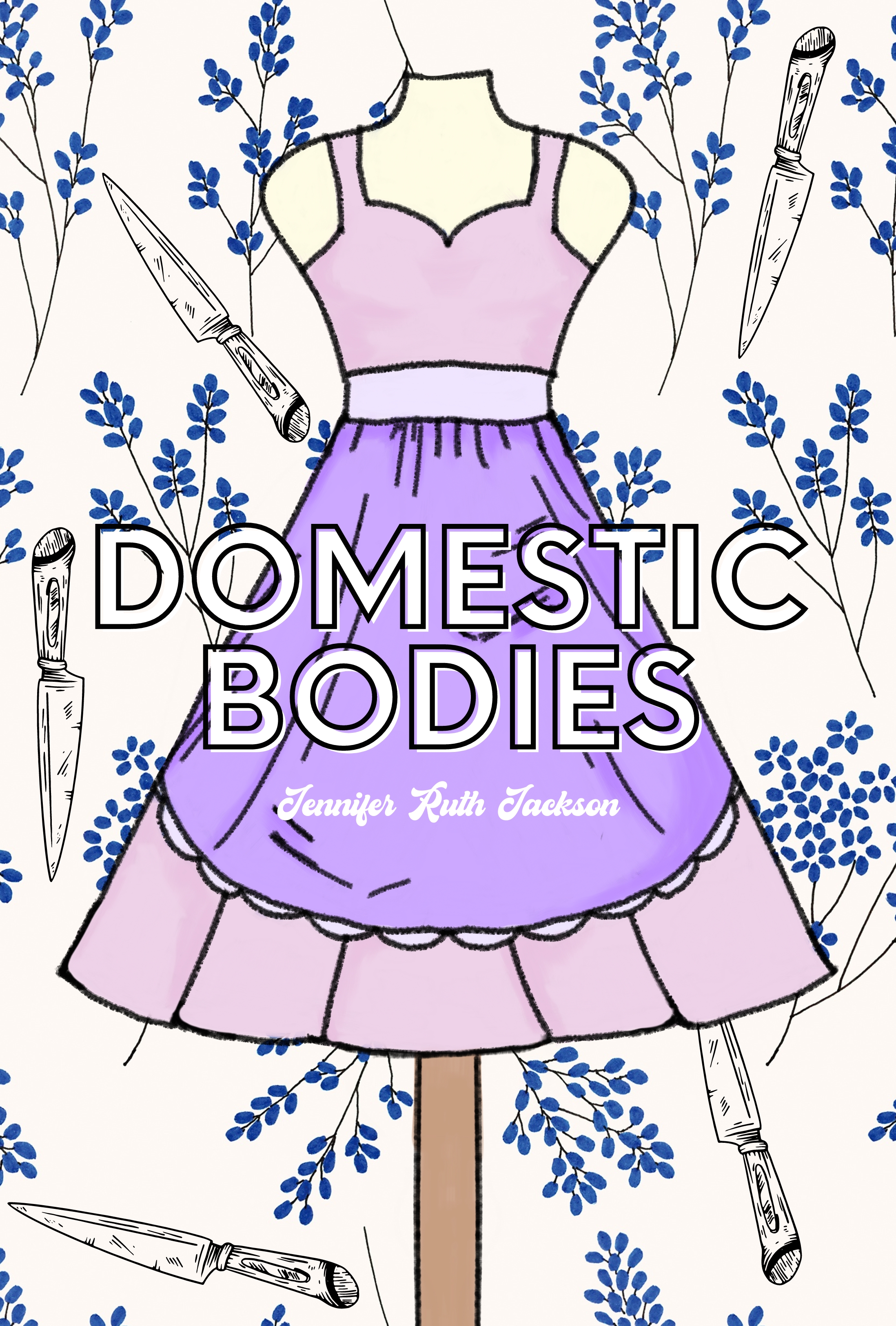
NetGalley Review: Cutting Apples by Jome Rain

Cutting Apples by Jome Rain is a jewel of a book. Rain’s stream of consciousness writing style may at first seem like an odd approach for a memoir, but it is perfect for this piece, one that was written during an odd time as the world struggled to make sense of COVID-19. Rain’s memoir is written as an undated, ongoing letter to an unnamed love, a love not quite lost, but you feel the fragility of this relationship. Rain allows herself to be vulnerable, she tells her readers her fears, her heartaches, her insecurities and her hopes. She invites readers to witness a very personal analysis of her relationship with her mother; I found this quite affecting in its complete oppositeness to my own relationship with my mother. In reading Rain’s memoir, I was driven to my own contemplation of the relationships in my life. Therein lies the power of this memoir, I think. Jome Rain has crafted an engaging book, opening herself to strangers to see her most private thoughts, and causing them to step away and look within themselves. I have read few memoirs that have caused me to do this. I cannot recommend this book enough. You will find yourself stopping to reread lines, to consider how they relate to your own experience. It will cause you to look within and consider what you have thought to be absolute.

National Poetry Month!

It’s that glorious time of year again, a whole month dedicated to celebrating the art of poetry! April might possibly be my favorite month because of this. (It’s also my birthday month, so I might be a bit biased.) But poetry! The words, the rhythms, the forms and fragments, the soul-searing, joyful expressions of people’s dreams and memories. Let us celebrate!

To Daffodils

BY ROBERT HERRICK

Fair Daffodils, we weep to see

You haste away so soon;

As yet the early-rising sun

Has not attain’d his noon.

Stay, stay,

Until the hasting day

Has run

But to the even-song;

And, having pray’d together, we

Will go with you along.

We have short time to stay, as you,

We have as short a spring;

As quick a growth to meet decay,

As you, or anything.

We die

As your hours do, and dry

Away,

Like to the summer’s rain;

Or as the pearls of morning’s dew,

Ne’er to be found again.

Daisy Time

BY MARJORIE PICKTHALL

See, the grass is full of stars,

Fallen in their brightness;

Hearts they have of shining gold,

Rays of shining whiteness.

Buttercups have honeyed hearts,

Bees they love the clover,

But I love the daisies’ dance

All the meadow over.

Blow, O blow, you happy winds,

Singing summer’s praises,

Up the field and down the field

A-dancing with the daisies.

[in Just-]

BY E. E. CUMMINGS

in Just-

spring          when the world is mud-

luscious the little

lame balloonman

whistles          far          and wee

and eddieandbill come

running from marbles and

piracies and it’s

spring

when the world is puddle-wonderful

the queer

old balloonman whistles

far          and             wee

and bettyandisbel come dancing

from hop-scotch and jump-rope and

it’s

spring

and

         the

                  goat-footed

balloonMan          whistles

far

and

wee

Spring

BY GERARD MANLEY HOPKINS

Nothing is so beautiful as Spring –         

   When weeds, in wheels, shoot long and lovely and lush;         

   Thrush’s eggs look little low heavens, and thrush         

Through the echoing timber does so rinse and wring         

The ear, it strikes like lightnings to hear him sing;

   The glassy peartree leaves and blooms, they brush         

   The descending blue; that blue is all in a rush         

With richness; the racing lambs too have fair their fling.         

What is all this juice and all this joy?         

   A strain of the earth’s sweet being in the beginning

In Eden garden. – Have, get, before it cloy,         

   Before it cloud, Christ, lord, and sour with sinning,         

Innocent mind and Mayday in girl and boy,         

   Most, O maid’s child, thy choice and worthy the winning.         

March 21 is National Poetry Day!

I love poetry. I love all that is says, all that it can mean, I love the multitude of forms it takes and that no matter how you write it you aren’t wrong because it is an expression of you. In honor of the day, here are some of my favorite pieces, as well as a few of my own works.

Of Modern Poetry by Wallace Stevens

The poem of the mind in the act of finding
What will suffice. It has not always had
To find: the scene was set; it repeated what
Was in the script.
Then the theatre was changed
To something else. Its past was a souvenir.

It has to be living, to learn the speech of the place.
It has to face the men of the time and to meet
The women of the time. It has to think about war
And it has to find what will suffice. It has
To construct a new stage. It has to be on that stage,
And, like an insatiable actor, slowly and
With meditation, speak words that in the ear,
In the delicatest ear of the mind, repeat,
Exactly, that which it wants to hear, at the sound
Of which, an invisible audience listens,
Not to the play, but to itself, expressed
In an emotion as of two people, as of two
Emotions becoming one. The actor is
A metaphysician in the dark, twanging
An instrument, twanging a wiry string that gives
Sounds passing through sudden rightnesses, wholly
Containing the mind, below which it cannot descend,
Beyond which it has no will to rise.
It must
Be the finding of a satisfaction, and may
Be of a man skating, a woman dancing, a woman
Combing. The poem of the act of the mind.

***

Here I Love You by Pablo Neruda

Here I love you.
In the dark pines the wind disentangles itself.
The moon glows like phosphorous on the vagrant waters.
Days, all one kind, go chasing each other.

The snow unfurls in dancing figures.
A silver gull slips down from the west.
Sometimes a sail. High, high stars.
Oh the black cross of a ship.
Alone.


Sometimes I get up early and even my soul is wet.
Far away the sea sounds and resounds.
This is a port.

Here I love you.
Here I love you and the horizon hides you in vain.
I love you still among these cold things.
Sometimes my kisses go on those heavy vessels
that cross the sea towards no arrival.
I see myself forgotten like those old anchors.

The piers sadden when the afternoon moors there.
My life grows tired, hungry to no purpose.
I love what I do not have. You are so far.
My loathing wrestles with the slow twilights.
But night comes and starts to sing to me.

The moon turns its clockwork dream.
The biggest stars look at me with your eyes.
And as I love you, the pines in the wind
want to sing your name with their leaves of wire.

***

Brighter Shone The Golden Shadows

by Louisa May Alcott

Brighter shone the golden shadows;
On the cool wind softly came
The low, sweet tones of happy flowers,
Singing little Violet’s name.
‘Mong the green trees was it whispered,
And the bright waves bore it on
To the lonely forest flowers,
Where the glad news had not gone.
Thus the Frost-King lost his kingdom,
And his power to harm and blight.
Violet conquered, and his cold heart
Warmed with music, love, and light;
And his fair home, once so dreary,
Gay with lovely Elves and flowers,
Brought a joy that never faded
Through the long bright summer hours.
Thus, by Violet’s magic power,
All dark shadows passed away,
And o’er the home of happy flowers
The golden light for ever lay.
Thus the Fairy mission ended,
And all Flower-Land was taught
The “Power of Love,” by gentle deeds
That little Violet wrought.

***

Mother’s Stories

By Nicole Kapise Perkins

I warned you about Mother telling her stories.

I warned you,

but you wouldn’t listen.

*

I warned you about the magic

of golem and djinn,

about lilac walks

and mysterious circuses.

Stranded mice,

abandoned mice,

runaway mice,

unexceptional princesses,

all fodder for the worst sort of daydreaming.

I warned you,

but you wouldn’t listen.

*

Sisters telling stories in bird language

as they browse bookstores in Paris

and tapestries of tales

told by women who are unicorns

invite all sorts of imaginings,

nothing practical,

all frivolous flights of fancy.

I warned you,

but you wouldn’t listen.

*

Leave Avalon to lie in the mist,

allow the city of chains

to fall into the abyss,

let wolf-women run

through Rome’s seven hills alone.

Close your ears to Mother’s stories,

cover your eyes so you aren’t ensnared

by the magic of gesture.

Let the story end,

leave the queen encased in crystal

and the flower-maiden weeping

in underground halls;

don’t send the children out

to peek under toadstool and

fern forests for wee wicked folk.

I warned you,

but you wouldn’t listen.

*

Tell them no,

you’ll not hear the hoofbeats

as the horseman stalks the village,

rabbits don’t wear watches,

mermaids don’t dance,

fillies don’t fly.

Tell the children no,

abandoned princesses don’t wear crowns of stars,

maids don’t marry monsters

in return for a single rose,

they don’t marry the north wind,

they don’t spin dynasties

on outlawed spinning wheels.

I warned you,

but you wouldn’t listen.

*

See what comes of Mother’s stories:

the children run wild through the wood

seeking musical menageries,

they wade into seaside caves

singing for selkies.

They ask for tales told

by orphaned princesses

hiding in palace gardens

and songs sung by shieldmaidens.

They want stories

of women made of glass

and sagas sung by lionesses,

princesses who save miners’ sons

and princesses who save themselves.

I warned you,

but you wouldn’t listen.

*

No good will come of Mother’s stories,

I said,

and now all is topsy-turvy

and the children have run off

to the goblin market.

***

carnations write their crimson autobiographies

By Nicole Kapise Perkins

*

He gave me carnations,

spicy-sweet and ruffled. I asked him to write

me a poem, a song, a dirge, their

words fluttering like birds in my heart, a crimson

flush on my cheeks. One day our

children will be our autobiographies.

***

Do I love you?

By Nicole Kapise Perkins

*

When you asked me do

I love you, I

smiled and asked you what is love,

and how could I possibly offer it to anyone but you?

Goodreads 2023 Reading Challenge!

It’s that time again! A new year to start a new reading challenge! Oh, yeah, and those resolution things that I never keep. But that’s not important. What is important is that it’s time to set my new Goodreads Challenge! I may be more than a little obsessed with this. As a book lover, though, I suppose it is entirely acceptable. And if it’s not, I don’t much care.

Last year I set a goal of 125 books and fell short. I managed to complete 107 books. I admit I spent too many evenings yelling at my television during Bruins games instead of reading, but one must support the team, yes? In light of that, I set this year’s goal a bit lower at 115 books. High enough to be a challenge, but not so high that I get discouraged. As of today (1/3/23) I haven’t finished a book, though I have three in progress. My current reads are: Lucia: A Venetian Life in the Age of Napoleon by Andrea Di Robilant; Charlotte Perkins Gilman: A Biography by Cynthia J. Davis; and Henry and June: From “A Journal of Love” -The Unexpurgated Diary of Anaïs Nin by Anais Nin. I love Gilman’s The Yellow Wallpaper in all its Gothic insanity. And on this topic, I recently came across Monica Robinson’s Peeling the Yellow Wallpaper on Instagram and I must get my hands on a copy. Goodreads describes Robinson’s book as “an experimental chapbook of poetry, prose, and art inspired by the classic gothic short story “The Yellow Wallpaper” by Charlotte Perkins Gilman. This chapbook explores concepts of estrangement, grief, bodily disconnect, and motherhood, as well as paying homage to the original inspiration by exploring malpractice and inaccessibility in women’s healthcare both in our past and in the current age.” After I read it, I’ll post a comparison on Gilman’s story and Robinson’s interpretation.

Of the 107 books that I read last year there were some standouts that I highly enjoyed. Here they are, in no particular order (excluding my #1 book of the year, which I will list last): Daughters of Sparta by Claire Heywood: “For millennia, men have told the legend of the woman whose face launched a thousand ships–but now it’s time to hear her side of the story. Daughters of Sparta is a tale of secrets, love, and tragedy from the women behind mythology’s most devastating war, the infamous Helen and her sister Klytemnestra. Daughters of Sparta is a vivid and illuminating reimagining of the Siege of Troy, told through the perspectives of two women whose voices have been ignored for far too long.” This book was a fantastic retelling of the well-known story of the fall of Troy as it was told by the men who won; Heywood gives us the lives of the women who were there.

Strange the Dreamer and Muse of Nightmares by Laini Taylor. Strange the Dreamer: “The dream chooses the dreamer, not the other way around—and Lazlo Strange, war orphan and junior librarian, has always feared that his dream chose poorly.” Muse of Nightmares: “Lazlo faces an unthinkable choice—save the woman he loves, or everyone else?—while Sarai feels more helpless than ever. But is she? Sometimes, only the direst need can teach us our own depths, and Sarai, the Muse of Nightmares, has not yet discovered what she’s capable of.” This was an incredible fantasy duology, and exactly what I needed this summer as I was undergoing chemotherapy. Taylor took me away from the clinic and into a world peopled by ghosts and gods, wandering the streets of a lost desert city. Beautiful, haunting, and exciting. I loved it so much that as soon as I finished Strange the Dreamer I gave it to my husband and told him he had to read it. (He liked it too)

Orwell’s Roses by Rebecca Solnit: ” “In the year 1936 a writer planted roses.” So begins Rebecca Solnit’s new book, a reflection on George Orwell’s passionate gardening and the way that his involvement with plants, particularly flowers, and the natural world illuminates his other commitments as a writer and antifascist, and the intertwined politics of nature and power.” I am not a huge Orwell fan; I read Animal Farm in high school, and that was pretty much enough for me. I don’t even recall how this book wound up on my radar–it could have been from Olive at ABookOlive on YouTube. Or maybe the cover caught my eye at Barnes & Noble (it’s gorgeous). Regardless, Solnit’s essays are exquisite, and I highly recommend this book, even if you are as much of an Orwell fan as I am. In fact, thanks to Solnit’s book, I have decided to explore more of Orwell’s work this year.

My Evil Mother by Margaret Atwood: “Life is hard enough for a teenage girl in 1950s suburbia without having a mother who may—or may not—be a witch. A single mother at that. Sure, she fits in with her starched dresses, string of pearls, and floral aprons. Then there are the hushed and mystical consultations with neighborhood women in distress. The unsavory, mysterious plants in the flower beds. The divined warning to steer clear of a boyfriend whose fate is certainly doomed. But as the daughter of this bewitching homemaker comes of age and her mother’s claims become more and more outlandish, she begins to question everything she once took for granted.” Who doesn’t love Margaret Atwood? (If you don’t, please don’t tell me, let me love her in blissful ignorance.) This was such a fun short story. Atwood shows up again on this list with her short story The Penelopiad: “In a splendid contemporary twist to The Odyssey, Margaret Atwood has chosen to give the telling of it to Penelope and to her twelve hanged maids, asking: “What led to the hanging of the maids, and what was Penelope really up to?” In Atwood’s dazzling, playful retelling, the story becomes as wise and compassionate as it is haunting, and as wildly entertaining as it is disturbing. With wit and verve, drawing on the story-telling and poetic talent for which she herself is renowned, she gives Penelope new life and reality—and sets out to provide an answer to an ancient mystery.” As I mentioned, I love Margaret Atwood. The Handmaid’s Tale is a classic, of course (and it earned me an A+ in a writing course in college, when I wrote a query for it for a mock publishing project, so I love it extra much); her MaddAddam trilogy is my favorite of her works, but these two stories come in at a very close second.

Next up is Amanda Lovelace’s Unlock Your Storybook Heart: “the third & final installment in her feminist poetry series, “you are your own fairy tale.” this is a collection about being so caught up in the fable that is perfectionism that you miss out on your own life. be honest: when was the last time you stopped to take in the everyday enchantment all around you?” I am the proud owner of all of Amanda Lovelace’s books, and they are stunning. Lovelace is the type of poet I aspire to be. Her work touches your heart and sears your soul. I dare you to read her work and not have it change you.

The Push by Ashley Audrain: “A tense, page-turning psychological drama about the making and breaking of a family–and a woman whose experience of motherhood is nothing at all what she hoped for–and everything she feared.” I read this in one sitting, it was so gripping. It’s dark and disturbing, and when the unthinkable happens you are left as lost as Blythe. Incredible thriller.

Pandora’s Jar: Women in the Greek Myths by Natalie Haynes: “…in Pandora’s Jar, Natalie Haynes – broadcaster, writer and passionate classicist – redresses the imbalance [of mythology told by men]. Taking Greek creation myths as her starting point and then retelling the four great mythic sagas: the Trojan War, the Royal House of Thebes, Jason and the Argonauts, Heracles, she puts the female characters on equal footing with their menfolk. The result is a vivid and powerful account of the deeds – and misdeeds – of Hera, Aphrodite, Athene and Circe. And away from the goddesses of Mount Olympus it is Helen, Clytemnestra, Jocasta, Antigone and Medea who sing from these pages, not Paris, Agamemnon, Orestes or Jason.” I did a post on this book earlier, describing how I fell into a rabbit hole of literature and paused in my reading of this to read Euripides’ play The Trojan Women. I read Haynes’ A Thousand Ships in 2021 and LOVED it; I am now a die-hard fan of Natalie Haynes and follow her on Instagram and have added pretty much all of her books to my To Read list on Goodreads.

All the Murmuring Bones by A.G. Slater: “A spellbinding tale of dark family secrets, magic and witches, and creatures of myth and the sea; of strong women and the men who seek to control them.” This was AMAZING. A midnight ride through the countryside dodging faeries, ghosts, kelpies, a lecherous fiancé, and a scheming grandmother: what more could you ask for in a fantasy tale?

All of these were incredible books, and I thoroughly enjoyed them. But hands down, the absolute best book I read in 2022 was Joy McCullough’s Blood Water Paint: “A debut novel based on the true story of the iconic painter, Artemisia Gentileschi: Her mother died when she was twelve, and suddenly Artemisia Gentileschi had a stark choice: a life as a nun in a convent or a life grinding pigment for her father’s paint. She chose paint.” Gentileschi’s artwork is magnificent. My favorite of her work is Mary Magdalene as Melancholy, painted in 1625. It is superlative; the sadness in the Magdalene’s face is so human, so very real. McCullough has created an incredible story in verse, highlighting very real events from Gentileschi’s life (I do need to include a trigger warning; Gentileschi was sexually assaulted by a fellow painter). Ironically, Artemisia Gentileschi was the subject of today’s newsletter from Gillian Rose Rodriguez’s Mythic Imaginarium. You can sign up for Rodriguez’s newsletter at https://gillianroserodriguez.com/ (It’s one of my favorite newsletters, I highly recommend it)

I notice that I have a fair helping of classic Greek-themed works on this list. That wasn’t necessarily by design, though I have always loved Greek mythology, ever since I first read the highly illustrated D’Aulaires’ Book of Greek Mythology in Mrs. Harvey’s fourth grade class. I loved that book so much, despite its overwhelming misogyny (and that is through no fault of the D’Aulaires), that I purchased copies for each of my children. That book is what first introduced me to the Pagan path that I now follow; I remember reading the myths in that book when I was nine and wishing that people still worshipped Artemis. Thirty-six years later I celebrate Her festival days.

And that, my friends, brings us to the end of this post. If you are interested in challenging yourself this year, you can sign up for the Goodreads challenge at https://www.goodreads.com/challenges If you would like to follow me on Goodreads, I’m always happy to make new reading friends. You can find me at https://www.goodreads.com/author/show/12594094.Nicole_Kapise_Perkins

Happy reading!

Etty’s Pen

Every once in a while you find a book that literally changes your life. It changes your outlook, how you approach situations, or it may actually change you. I found such a book a handful of years ago. Picked up at the Little Free Library just around the corner from my house, this collection of letters written during the Holocaust promised to be a profound account of a nightmare I can only imagine, and I know those imaginings do not compare to the reality that people lived during that time.

Letters from Westerbork is the collection of letters Etty Hillesum wrote to friends living in Amsterdam while she was working in the prison camp of Westerbork, and to those confined in the prison camp while she was still free to come and go. Etty was a member of the Jewish Council, and worked as a social worker during the early days of the Nazi occupation of Amsterdam. Friends in Amsterdam tried repeatedly to get her to leave the country and each time she refused, saying that people needed her and there was still much good she could do. Eventually she was no longer permitted to leave Westerbork, and ultimately she was sent to Auschwitz with the rest of her family.

I found this book entirely by happenstance, and I am forever grateful that I did. I picked it up because I love reading letters and journals; I reread it because it has so much to teach me. I read it cover to cover a few times a year; at least once a week I pick it up and open to a random page to read words that Etty wrote 80 years ago, messages to people she loved and cared for, brimming with hope, carrying messages of consolation and strength. The forward of this copy that I own states that Etty did not expect to survive whatever came after Westerbork; you would never know that from her words.

From what I understand, it is very difficult to find a copy of the Letters. Her journals, An Interrupted Life, are easier to find. I have read this as well, and while it gave me a clearer picture of who Etty was as a whole person, I feel it is in her letters that her soul shines the brightest. Nothing I write will adequately convey the admiration I feel for someone so fully invested in serving others, and I cannot hope to speak as truthfully about humanity as Etty. All I can do is offer you words from Etty herself.

Etty’s Pen

My heart failed a few times again today, but each time it came back to life.

This is no time for poets and philosophers.

***

It is strange that in such a short time a person can come to feel as much at one with a place and its inhabitants.

I’m no good for anything, it’s really very sad, there is so much to be done here.

“We don’t want to remember anything from before; otherwise we couldn’t manage to live here.”

In a few hours you can accumulate enough gloom here to last a lifetime.

I shall be fully composed when I return.

I realized again that where there are people, there is life.

Everything here is full of paradox.

***

I often have conversations with you, but feel no need to write them down.

Am I a dreamer?

May I smile on you again from afar?

How are the yellow lupins—are they out again?

You can still entertain hopes that I will be wise one day.

Your coffee must have grown cold by now, but it’s not my fault.

Now and then I join the gulls.

I have to stop right in the middle of the fairy tales—

It’s not right for a human being to take the easy way out.

I find it difficult to say honestly how I feel.

Ah, children, we live in a strange world—

It is late; I can’t tell you how tired I am.

My soul is content.

***

I do not feel I have been robbed of my freedom.

In the evenings we go and watch the sun setting over the purple lupins behind the barbed wire.

We shall all of us bear up, on both sides of the barbed wire, won’t we?

The barbed wire is more a question of attitude.

It is a glorious day—how different life suddenly looks!

***

I feel quite strong and brave, although sometimes I can see nothing but blackness and nothing makes any sense at all.

I have been here a hundred years already.

I am experiencing so much that is good here.

And in spite of everything you always end up with the same conviction: life is good after all.

And yes, please, pray for us a little.

Suddenly it’s all coming to an end.

***

A terrible day, a terrible day!

The people were dignified, calm, and disciplined.

“This whole business is slowly driving me to the edge of despair.”

What all those thousands before us have borne, we can also bear.

For us, I think, it is no longer a question of living, but of how one is equipped for one’s extinction.

There was a moment when I felt in all seriousness that after this night, it would be a sin to ever laugh again.

If I were to say that I was in hell that night, would I really be telling you?

“It’s going to come to an end soon, it’s all going to come tumbling down.”

If we fail to draw new meaning from the deep wells of our distress and despair, then it will not be enough.

And the absence of hatred in no way implies the absence of moral indignation.

***

One concentrates so much on others that one forgets oneself, and that’s just as well.

And I am left to live and work and stay cheerful.

And that too is cowardice.

Why am I being left behind?

***

A human being is a remarkable thing.

Love for one’s fellow man is like an elemental glow that sustains you.

I never have the feeling that I have got to make the best of things; everything is fine just as it is.

There are many miracles in a human life.

I believe the world is beautiful all over, even the places that geography books describe as barren and dull.

***

Each of us still lives under his own star, it appears.

We have not yet gained a common sense of history.

Like circumstances do not yet seem to produce like people.

A name occurs to me: Herod.

***

“I can’t take it all in.”

“I would like, oh, I really would like, to be able to swim away in my own tears.”

“I do not know why the roses bloom.”

All I really want to say is this: I am no poet.

Life is glorious and magnificent, and one day we shall be building a whole new world.

The main path of my life stretches like a long journey before me and already reaches into another world.

As for the future, I am firmly resolved to return to you after my wanderings.

If.

We left the camp singing.

***

~Etty Hillesum died in Auschwitz on 30 November 1943~

All lines taken from Letters from Westerbork by Etty Hillesum; English translation, 1986, Random House, Inc.