
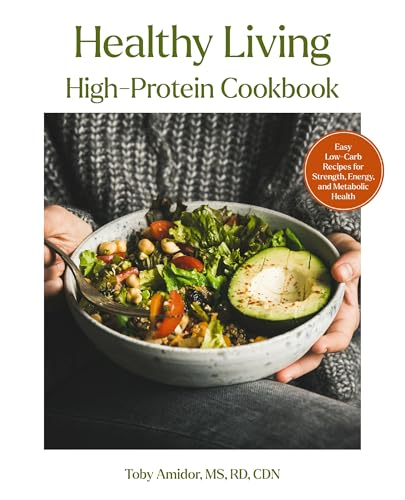
Let’s work more protein into our meals!

Thank you very much to NetGalley and Cider Mill Press for the ARC of Toby Amidor’s new cookbook!

Toby Amidor’s cookbook “Healthy Living High-Protein Cookbook” opens with a discussion on the benefits of a higher protein diet. I am not an expert by any means, and I really don’t know what kind of nutrient-focused food plan is best. I do know that when I feel fuller after a meal (a benefit of eating more protein) I adopt better eating habits. Vegetarians are often lacking enough protein in their diets; too often I pick up a vegetarian cookbook only to find that half of the recipes are pasta, and the other half are soup and salad. Don’t get me wrong, I love a good plate of spaghetti, but white flour carbohydrates are not a healthy lifestyle choice.


Amidor offers tips on the best cooking methods based on the type of protein you are eating, and easy swaps to add more protein here and there, such as plain Greek yogurt for sour cream. She lists several meal plans if you are organized enough to prep meals for the week ahead (I aspire to become this type of person!). I generally don’t eat breakfast during the week (I’m notorious for hitting the snooze button), but the smoothies Amidor includes in this book might have me sipping something tasty and nutritious on the drive to work, and some weekend morning is going to see me making protein pancakes with strawberry yogurt puree for the family to enjoy. Something tells me the grandkids will love these!


The salads and sandwiches have me rethinking my lunch game with options like the Smashed Chickpea Dill Sandwich and the Chopped Salad with Chickpeas and Tuna. Amidor includes a full chapter of plant-based main dishes, proving that vegetarians don’t only need to eat salad and pasta, and that it is possible to maintain a high-protein meat-free diet. Easy to cook dishes like Sheet Pan Spicy Tofu and Vegetables, Tofu and Vegetable Stir-Fry over Almondy Soba Noodles, and Cajun-Spiced Red Bean Burgers promise a tasty dinner with little effort.


Moving into the more standard protein-based meals, you find Crab Cake Bowls with Brown Rice and Swiss Chard (I will absolutely eat this, by the way…), Haddock in Foil with Zucchini, Squash, and Red Pepper, Tomato Basil Chicken Thighs and Rice, homemade chicken ramen, a jazzed-up version of Hamburger Helper in Ground Beef with Sweet Potatoes, Pork Adobo over Rice, and so many more dishes that I know my husband will love, and that I would not hesitate to serve guests.


There are vegetable and grain-based side dishes, and a chapter on high protein snacks. This a cookbook that anyone will find useful, whether you are trying to increase your protein intake, or you just like good food (which I do!).
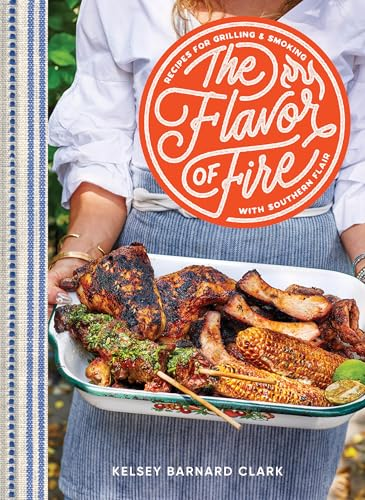
How much longer till grilling season?

Thank you NetGalley and Chronicle Books for the ARC of Kelsey Barnard Clark’s inspiring cookbook “The Flavor of Fire!”

Even before becoming a full-time vegetarian, I knew there had to be more to grilling than burgers, hot dogs, and chicken drumsticks. This book answers my questions, offering grilling recipes for familiar foods like chicken, beef, pork, and fish, and for less-familiar items like elk, bison, and dove (side note, I was today years old when I learned people eat doves). As for why vegetarian me is reviewing a rather meat-heavy cookbook, I am the only vegetarian in my household (in the whole family, actually). The men in my home are all very fond of a good steak. Also, there is a recipe for grilled cauliflower “steak,” so it’s not completely wasted on me.


With tips on how best to prepare meat for grilling as well as instructions for cooking, this book is a useful guide for backyard chefs. I expected the standard ribs and chops to be featured; the whole beef roast was unexpected, but I see how it could work. The book also gives instructions on smoking meat, fish, and vegetables…and a chocolate Basque cheesecake. I was all-in at that point. My household needs this book.


Perhaps the most important ingredient when grilling is the marinade. I cook enough to know that the best way to prevent meat from drying out when cooking is to let it rest in a flavorful bath prior to cooking. Clark includes some delicious-sounding and versatile marinades as well as some brine blends and spice rubs. And everyone knows that barbecue isn’t complete without sauce to round the flavors out. Clark gives us basting sauces, green sauces, and barbecue sauces. I’m thinking grilled cauliflower steaks with truffle basting butter should be on the menu for the first cookout of the season.

There is also a section dedicated to vegetable sides with some salads and slaws that sound delicious and refreshing. (I made up a bowl of the mushroom, arugula, and everything bagel salad for work lunch and it is fantastic!) The sesame-butter bean hummus sounds great too; I would just swap in vegetable stock for the chicken broth. Clark also offers some grain- and potato-based side dishes. With this book alone you can have a full cookout with a main dish, a salad, a side, and even dessert, all you need to add are the drinks!

I Have a New Favorite Cookbook!

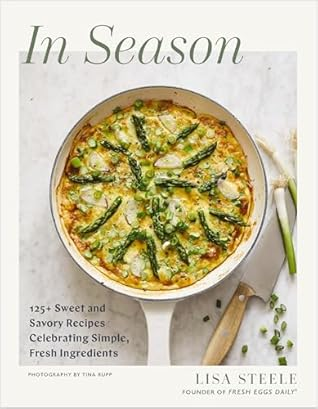
Thank you very much to NetGalley and Harper Celebrate for the ARC of Lisa Steele’s yummy book “In Season!”

This was not the book to begin reading when all I had for lunch was a “bottom-of-the-crisper-drawer-hope-it’s-still-good” sad desk salad. The salads alone had me pre-ordering this cookbook (avocado-goat cheese-pecan salad with cherry-champagne vinaigrette! Nectarine panzanella with poached eggs!). As a vegetarian I am always looking for ways to liven up old standbys, and Steele doesn’t disappoint with delicious-sounding dishes such as Lemon-Butter Bath Corn on the Cob, carrots with cardamom and ginger, and vanilla parsnip puree.


There are four chapters devoted to eggs (!). I have always had a love/hate relationship with eggs; maybe Steele can change that. The desserts are swoon-worthy: blackberry basil ice cream, strawberry scones, pistachio pudding, pink grapefruit brulee…amazing. And I’m only in the Table of Contents.


Steele has advice on how to best store produce–very useful as I never seem to know if things will do well in the refrigerator or on the counter. She also offers instructions on harvesting and storing fresh herbs and how to properly dry them. As a new homeowner with my own yard and plans for a vegetable and herb garden, this is invaluable.


None of the recipes appear to be particularly complicated, though I will admit my skill with omelettes and crepes needs work. (A whole lot of work) In the back of the book are some seasonal menu ideas.


I have a feeling this book is going to become a favorite, and I can’t wait to get my hands on a printed copy.